How Local Conditions Play In
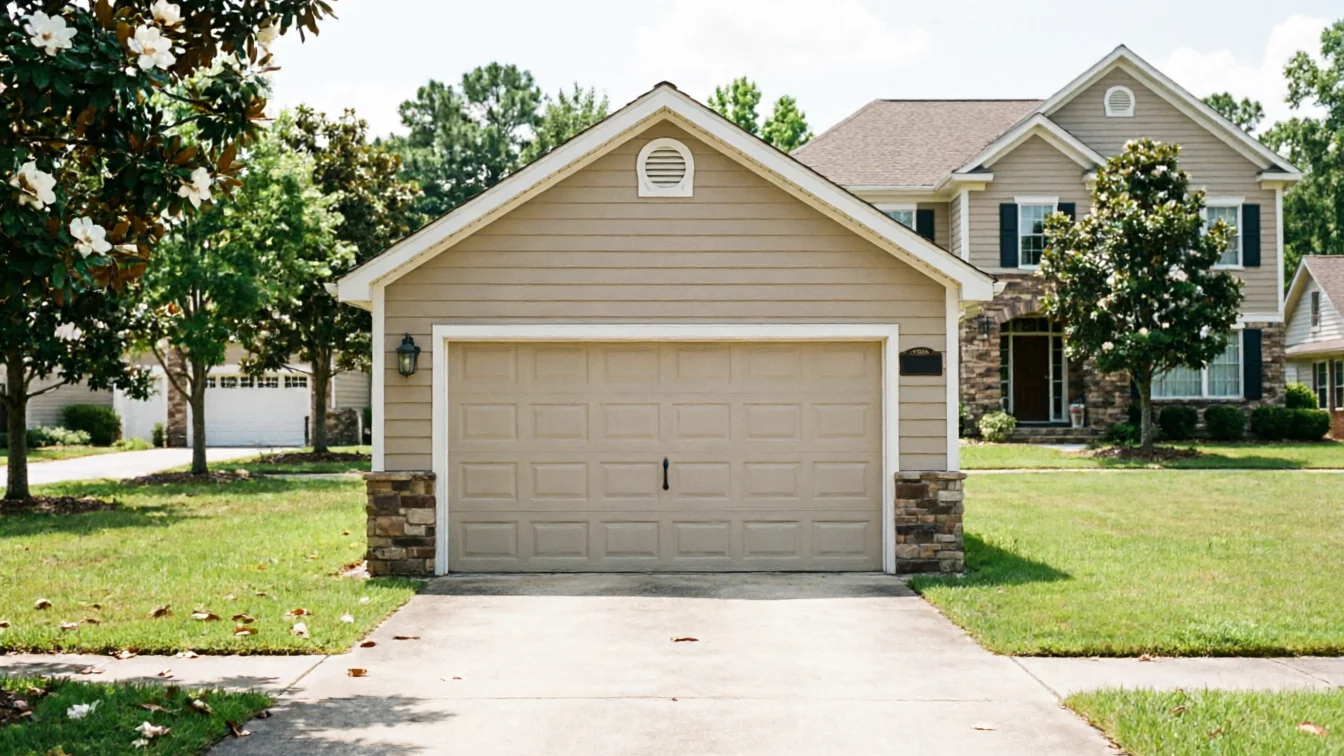
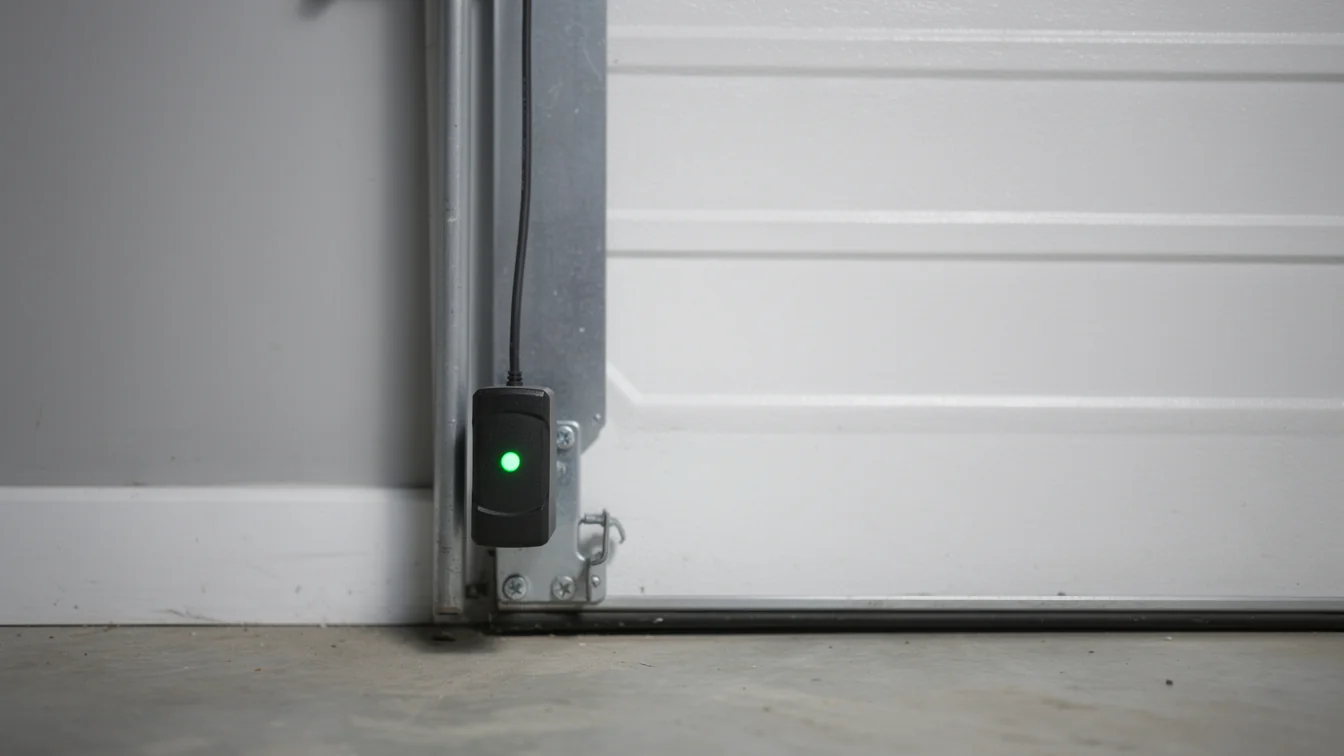
Housing in this service area went up mostly between 1959 and 2003, with the median build year sitting around 1991, and the bulk of that stock across the fourteen areas we cover is 1980s and 90s construction. That matters for openers specifically: a chain-drive unit installed when a house was built in, say, 1988 is now well past the point where its circuit board, capacitor, and safety sensors are reliable. Battery backup in openers didn't become a standard feature until years after most of these houses were wired for their first unit, so a huge share of doors in this area still run on openers that go completely dead the moment the grid does.
We're in a cold moderate climate band here, not the Deep South and not the upper Midwest, but enough freeze-thaw cycling and winter storm activity each year to put real stress on both the door hardware and the local power grid at the same time. When a line goes down in a storm, it's often the same cold snap that's already made the door heavier to lift by hand because grease in the rollers and track has stiffened up. Those two things landing together - old opener, no backup, stiff hardware, dead power - is the actual local problem, not a generic 'maintain your garage door' talking point.
Season by Season
Winter is when this shows up most. Ice on power lines or a hard freeze snapping a tree limb onto a line cuts power to a block, and a household with a pre-battery-backup opener finds the door simply won't move with a remote or a wall button. If nobody in the house knows where the manual release cord is, or hasn't pulled it in years, that door stays shut - or stuck open - until the power comes back.
Late winter into early spring brings the freeze-thaw swing that's typical for this climate band: nights below freezing, days above it. That cycling works on steel track brackets and door seals, and it's also when storm fronts tend to knock power out for a few hours at a time, often overnight. A door that was already dragging from stiff hardware now has to be lifted manually, in the cold, usually in the dark.
Summer storms cause shorter outages as a rule, but the same gap applies - if the opener has no backup battery and the house loses power, the door is manual until it's restored. Fall is typically the quiet stretch, which is the right window to check whether an opener actually has a backup battery before winter puts it to the test.
What Most People Get Wrong
The most common mistake we see is assuming the garage door is a mechanical problem and the opener is just an accessory. In a house built in the 1980s or 90s - which describes most of the stock here - the opener is often original or a first replacement, and it was very likely installed without battery backup because that wasn't a standard option yet. People find this out for the first time during a power cut, which is the worst time to learn it.
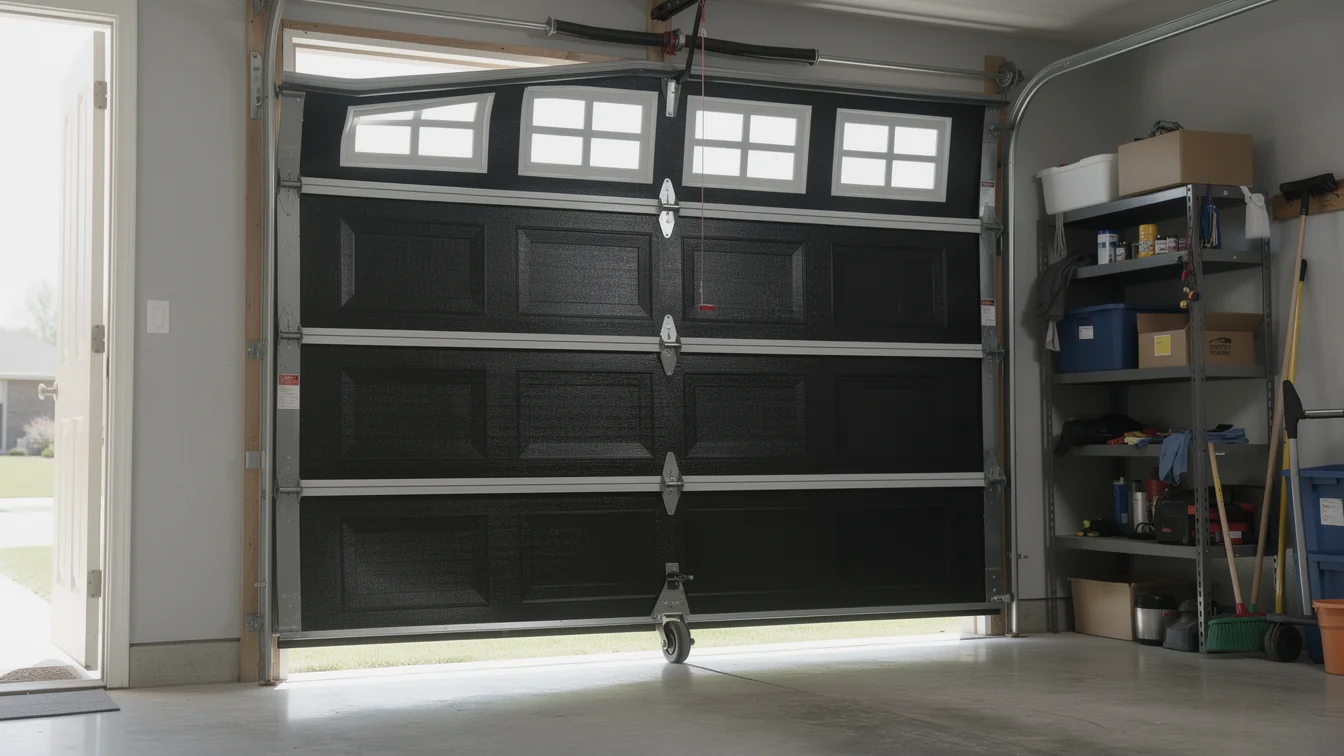
The second mistake is not knowing the manual release cord exists or where it is. It disconnects the door from the opener carriage so you can lift the door by hand. If a household has never used it, the cord is probably still taped up near the opener head, untouched since installation.
The third is treating a stiff, hard-to-lift door during a cold snap as normal wear rather than a sign the springs are doing more work than they should. A properly balanced door should lift by hand with moderate effort even with the opener disconnected. If it doesn't, that's a spring or hardware issue, not a power issue, and it's worth separating the two before assuming the outage caused it.
The Problem
Put the two facts together and the shape of the problem is clear. Across the roughly 16,187 owner-occupied houses in this area, a large share were built in the window when chain-drive openers without battery backup were the default, and that same housing sits in a climate band that delivers winter power cuts most years, not rarely. The failure isn't usually the door itself - it's an opener with no backup power meeting a storm that takes the grid down for a few hours, on a door whose hardware has already stiffened in the cold.
We'll be straight about one limit here: retrofitting battery backup into an older opener isn't always possible depending on the model, and sometimes the honest answer is that the opener itself is old enough that replacing it is the better use of the money rather than adding a backup battery to a unit that's near the end of its life anyway. We can tell you which situation you're in, but we're not going to sell a backup battery onto an opener that's not worth keeping.
Talk to a local pro
Garage door trouble in Gallatin?
Same-day service with honest, upfront quotes.