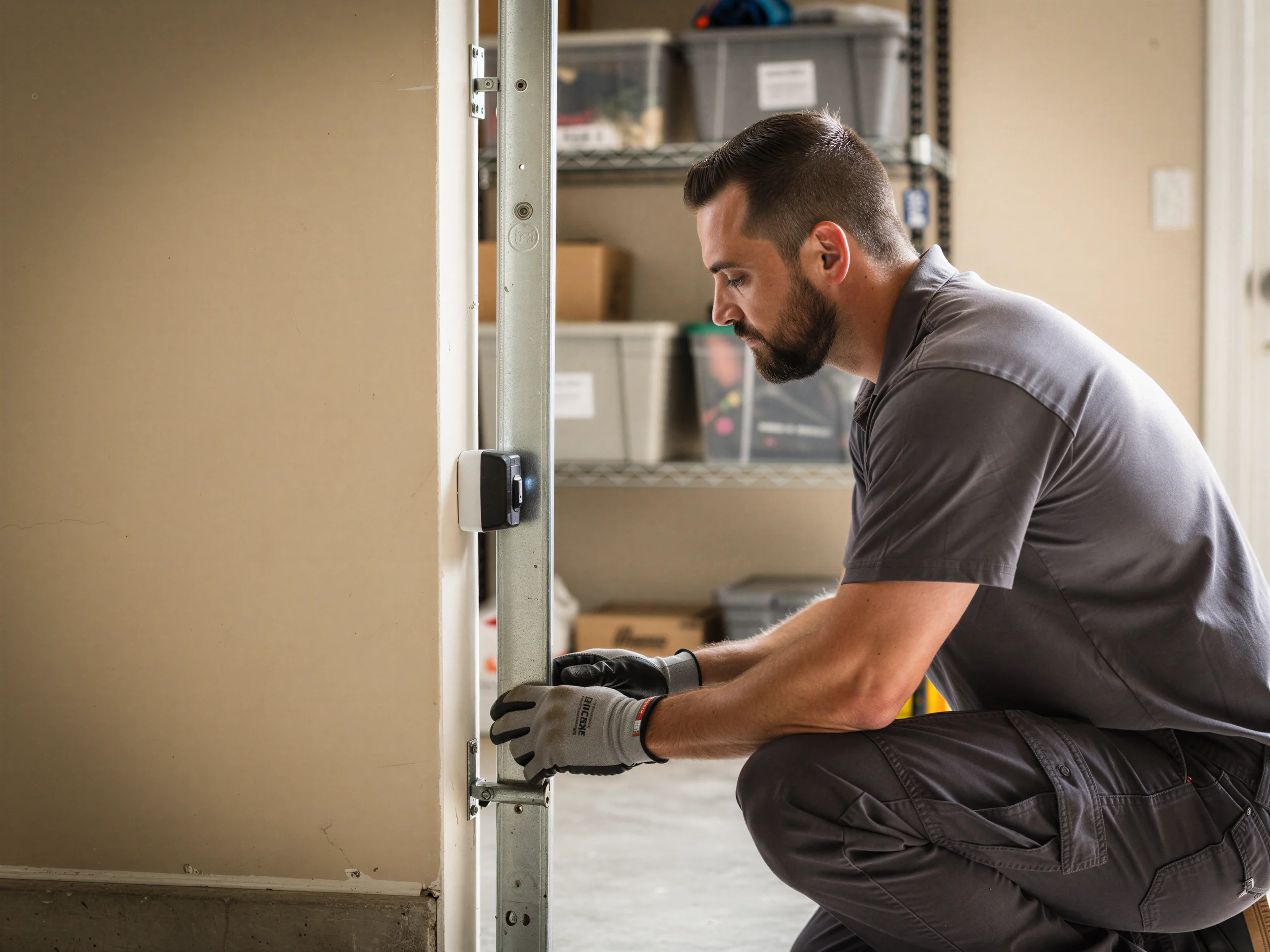
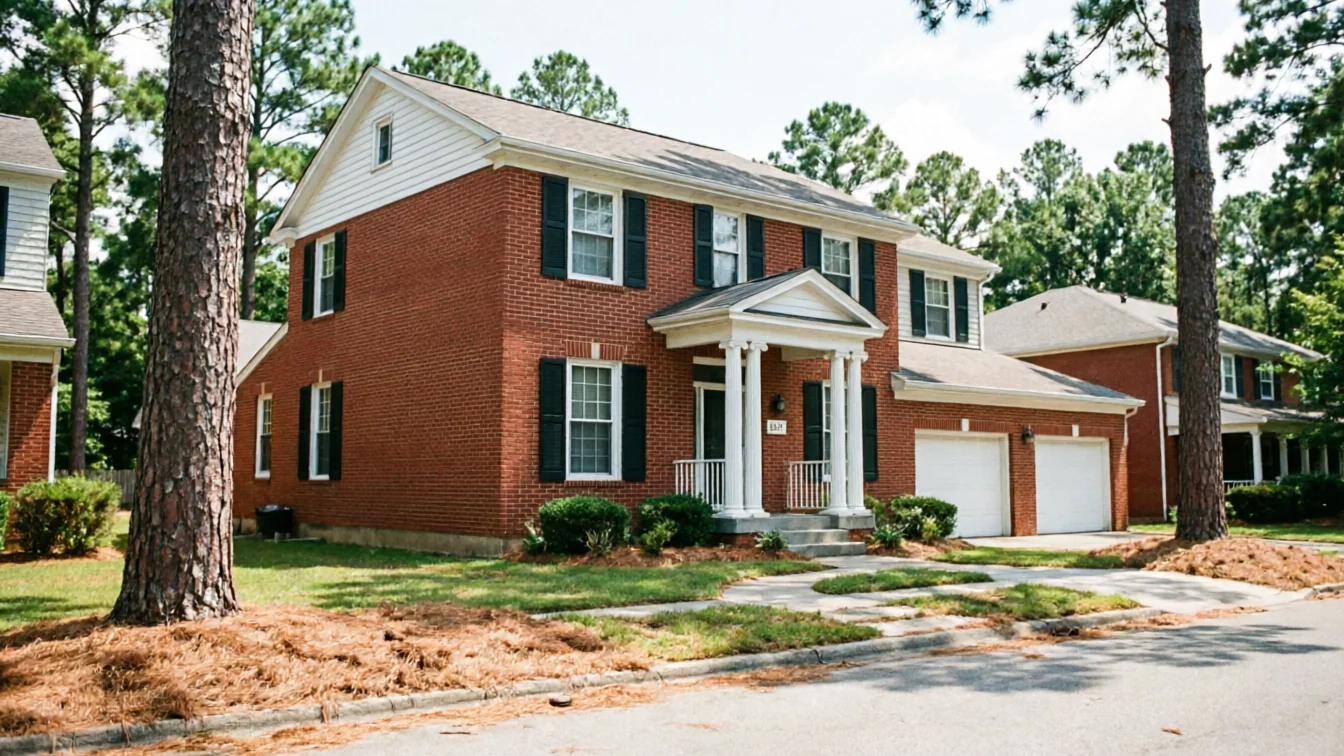
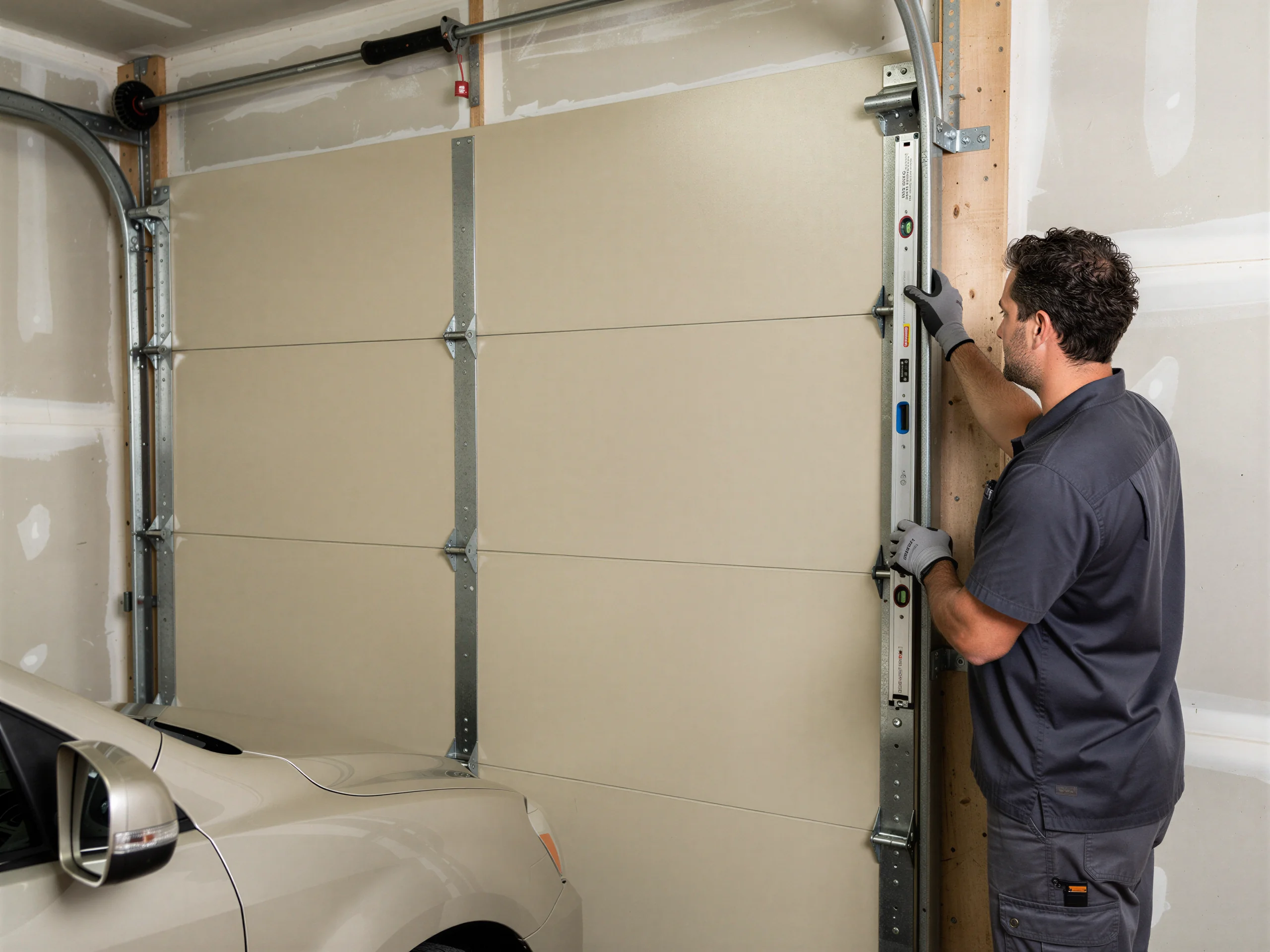
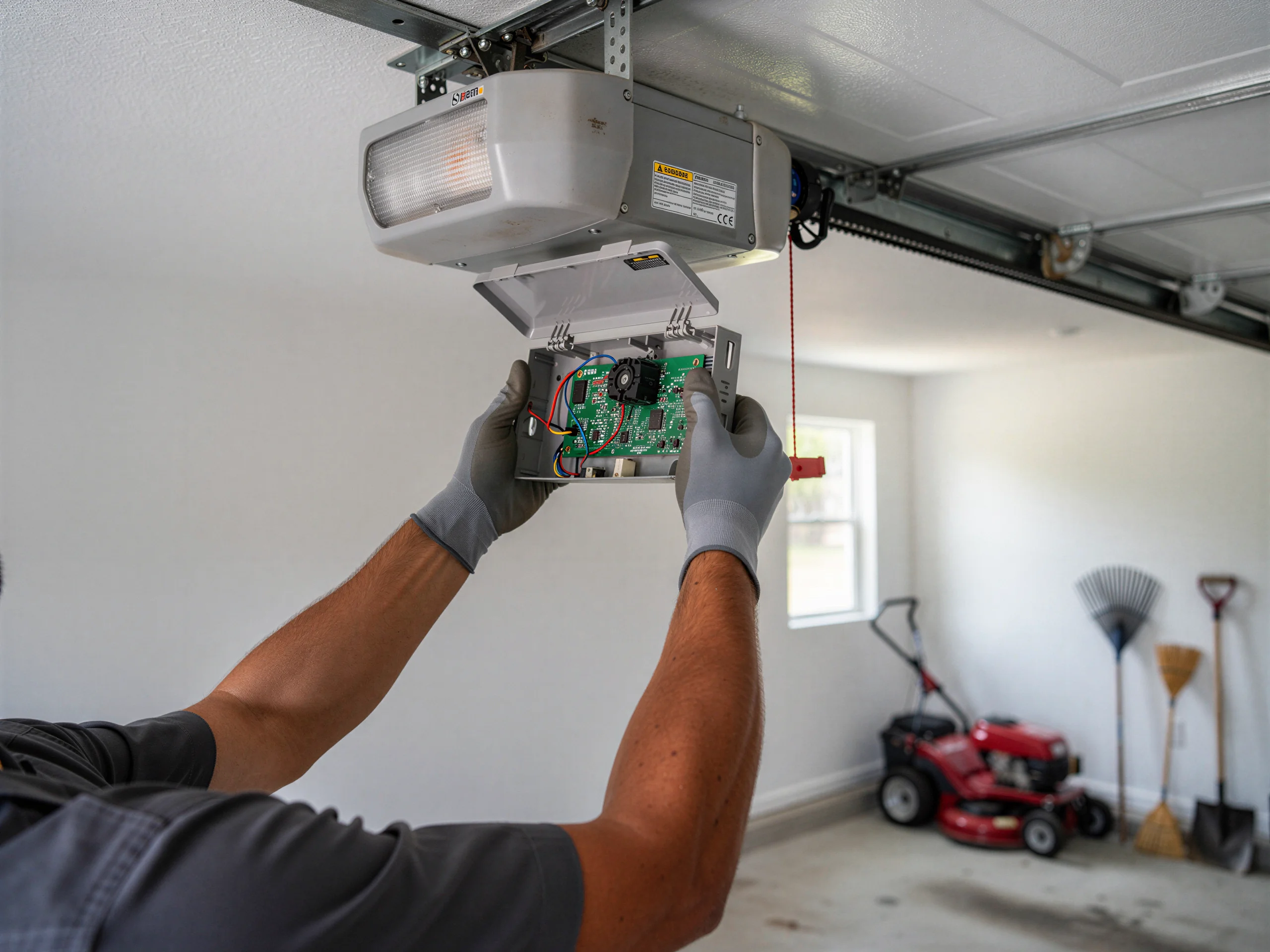
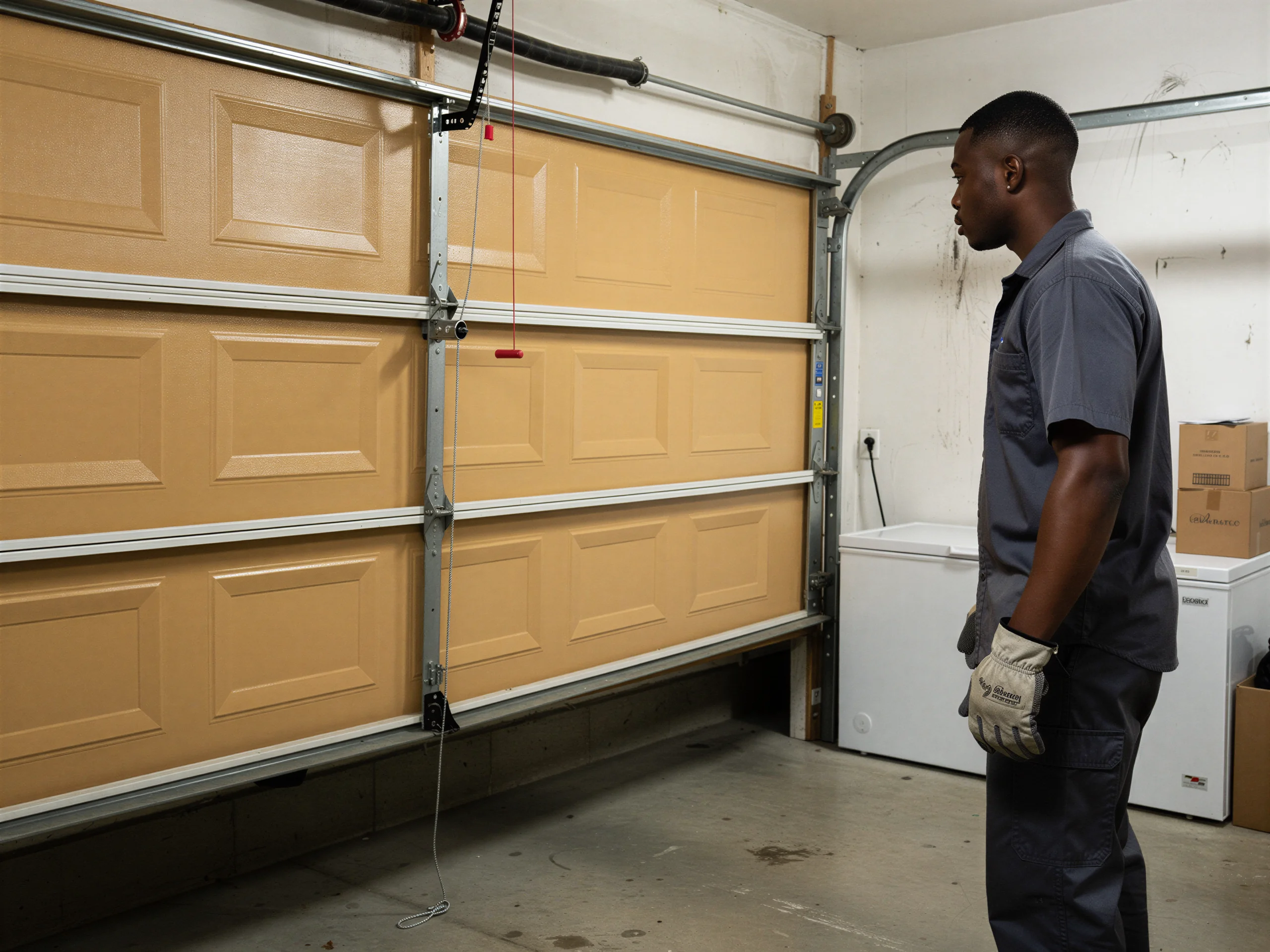
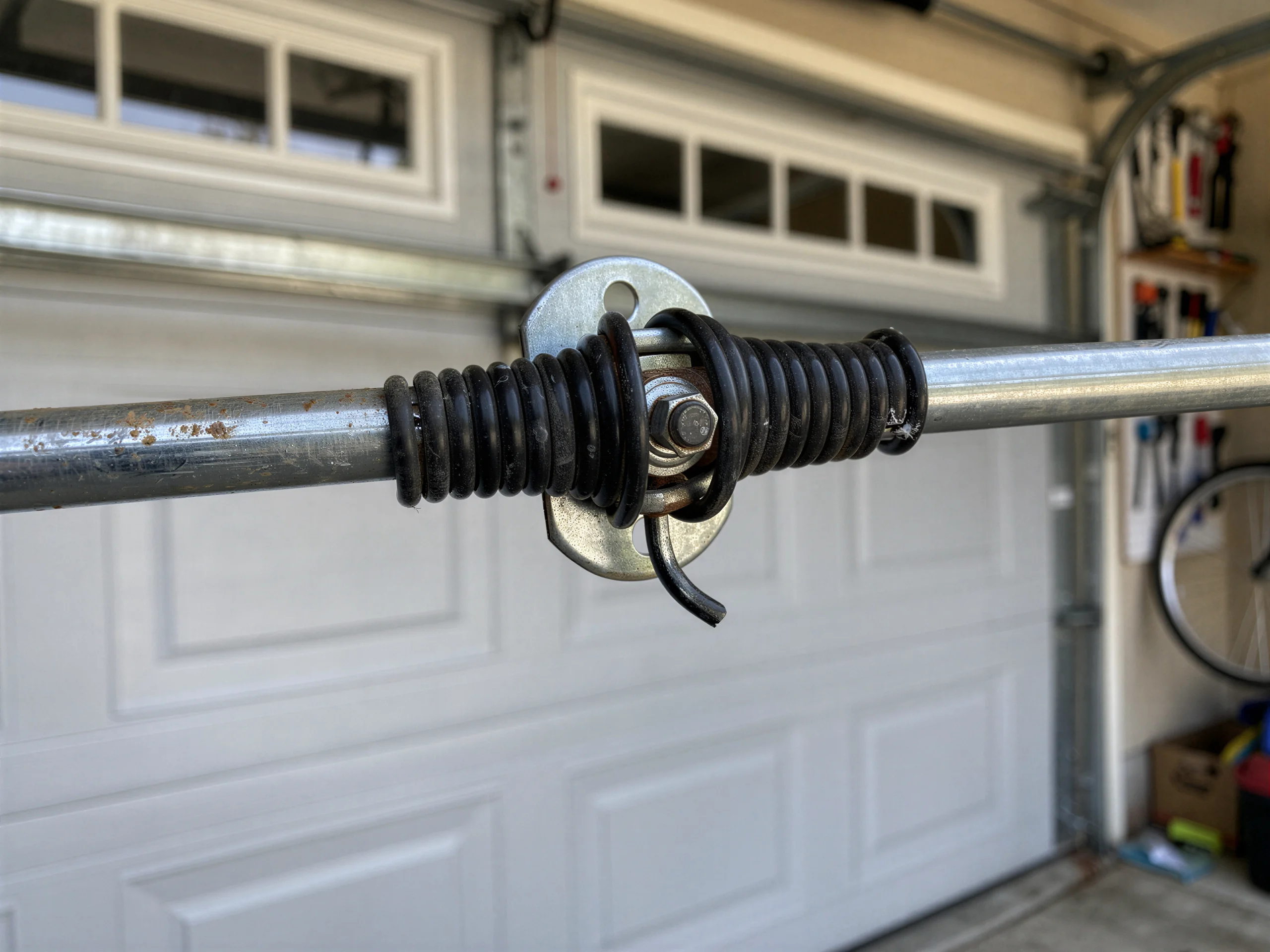
This area sits in a cold-moderate climate band, which means steel springs and lubricated hardware go through real expansion and contraction every winter, not the mild swing you'd get further south. A spring rated for a certain number of cycles loses tension faster when it's cycling through freeze-thaw stretches year after year. Pair that with housing stock where a big share of the doors and openers are original to a build year in the 1980s or 90s, and you get hardware that's outlasted its lubrication, its weatherstripping, and in a lot of cases its spring life, all at once. A newer subdivision wouldn't show this pattern yet. A neighborhood built in 1991 does. The other piece is household makeup - with roughly 16,187 owner-occupied houses across the area and a median household income near $78,597, most of these are owned, lived-in, maintained-when-convenient homes, not rentals where a landlord is tracking service intervals. That combination - older original hardware plus a real winter - is exactly where deferred maintenance turns into an emergency spring call.