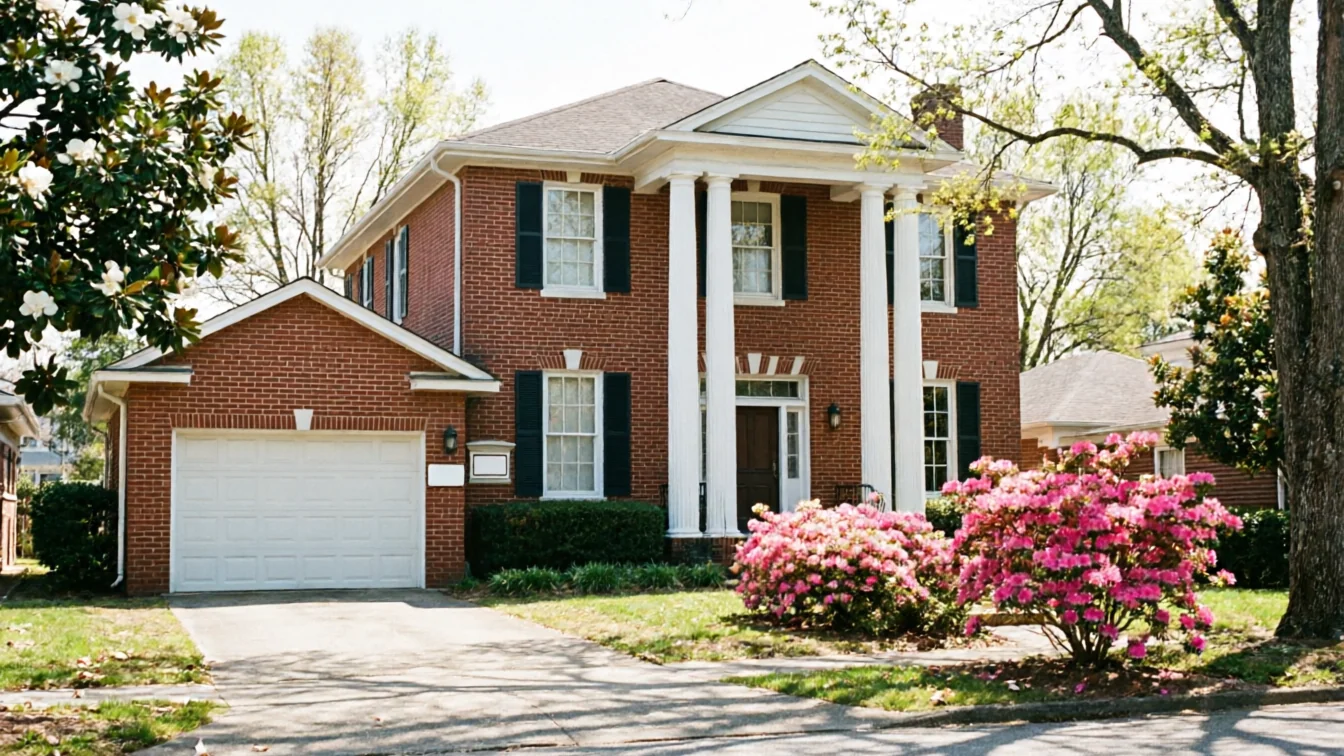
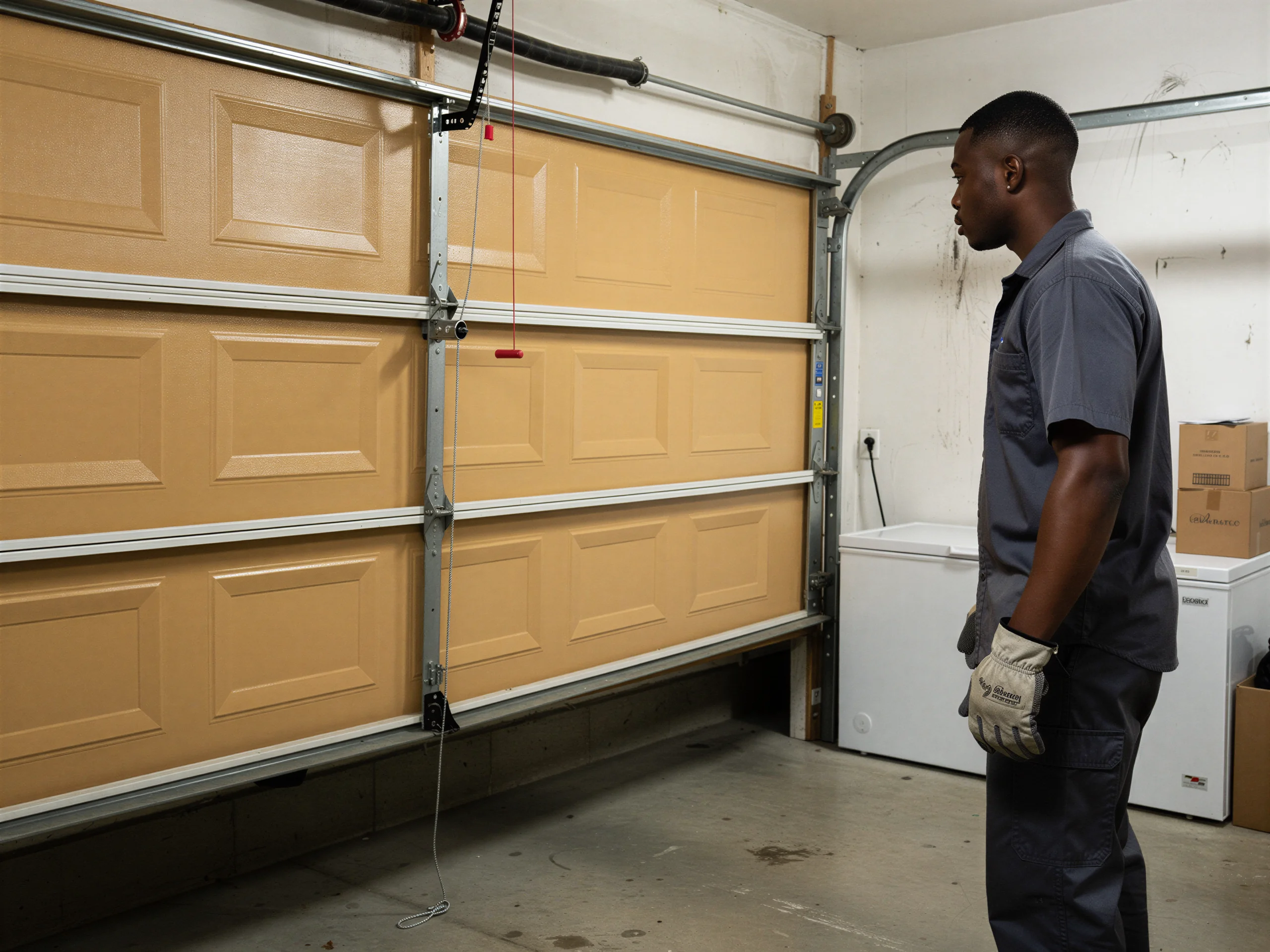
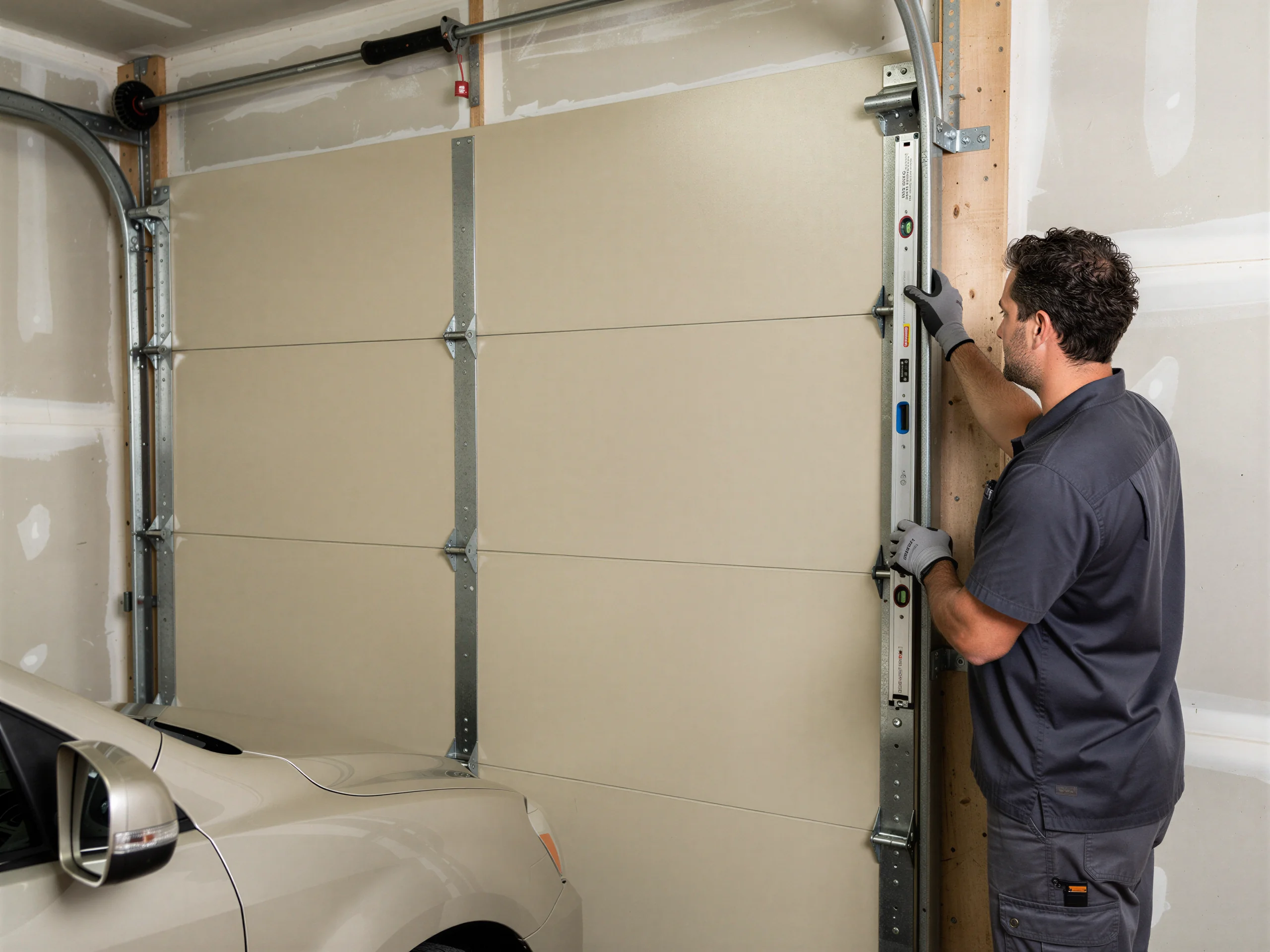
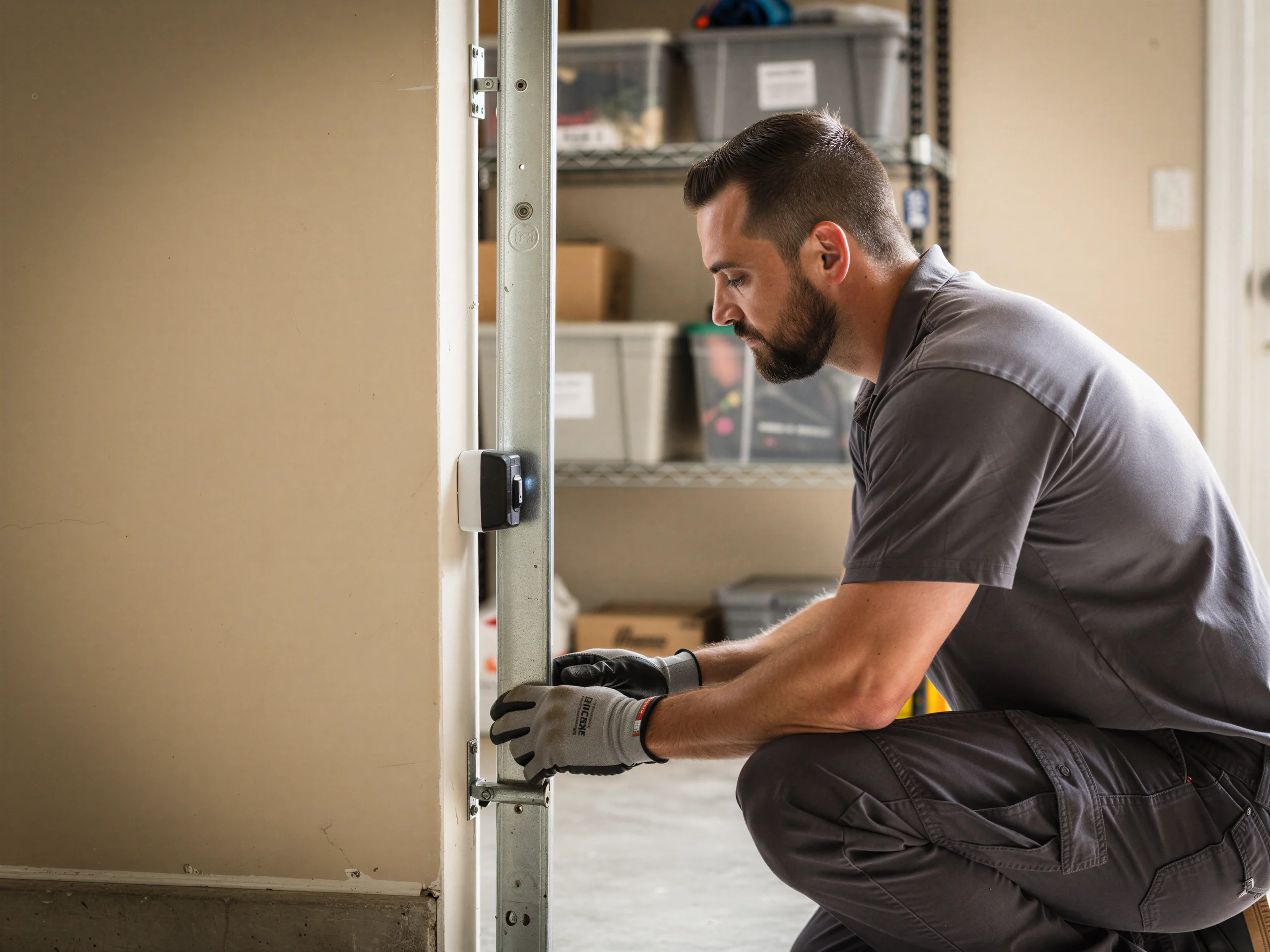
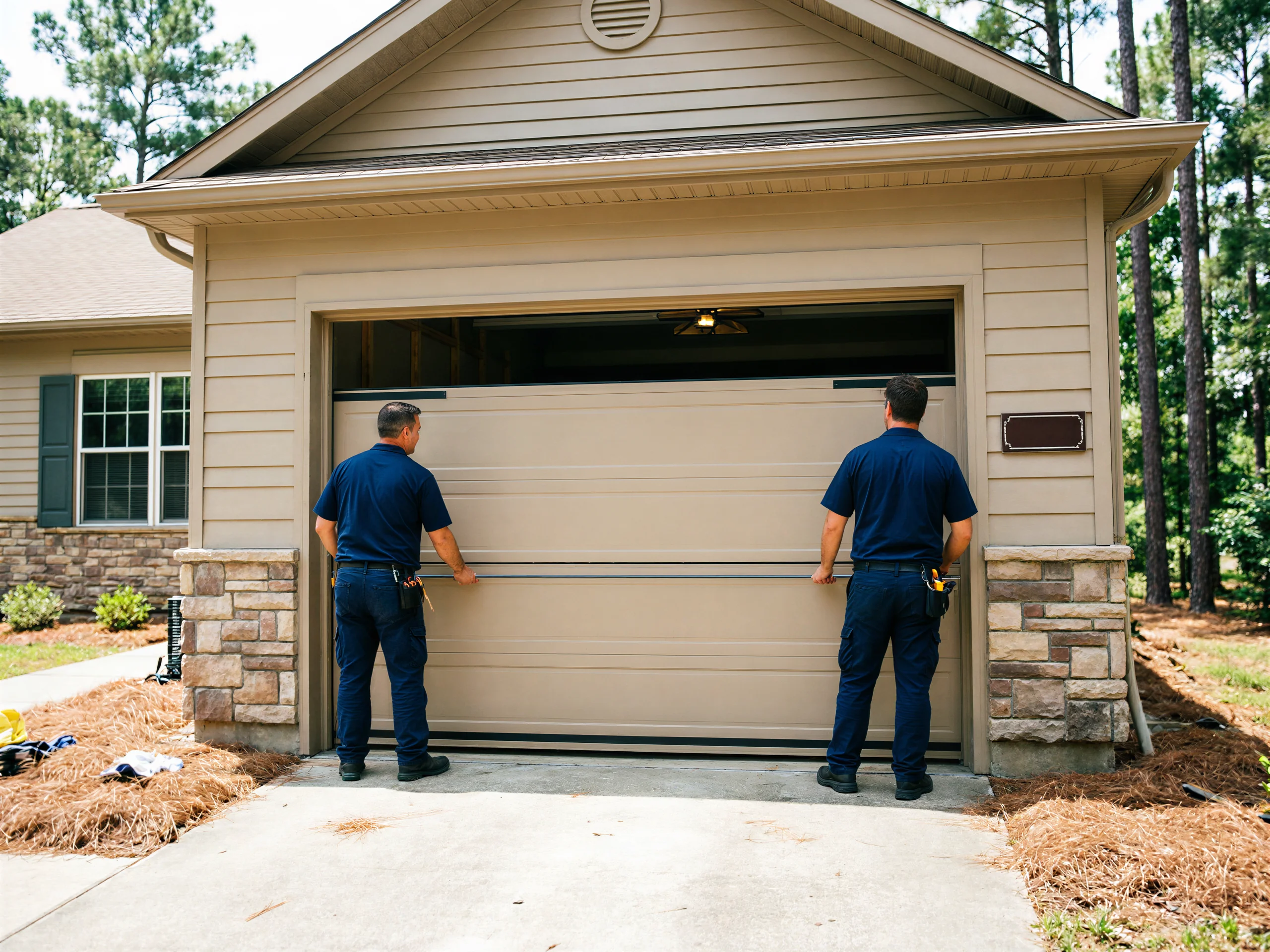
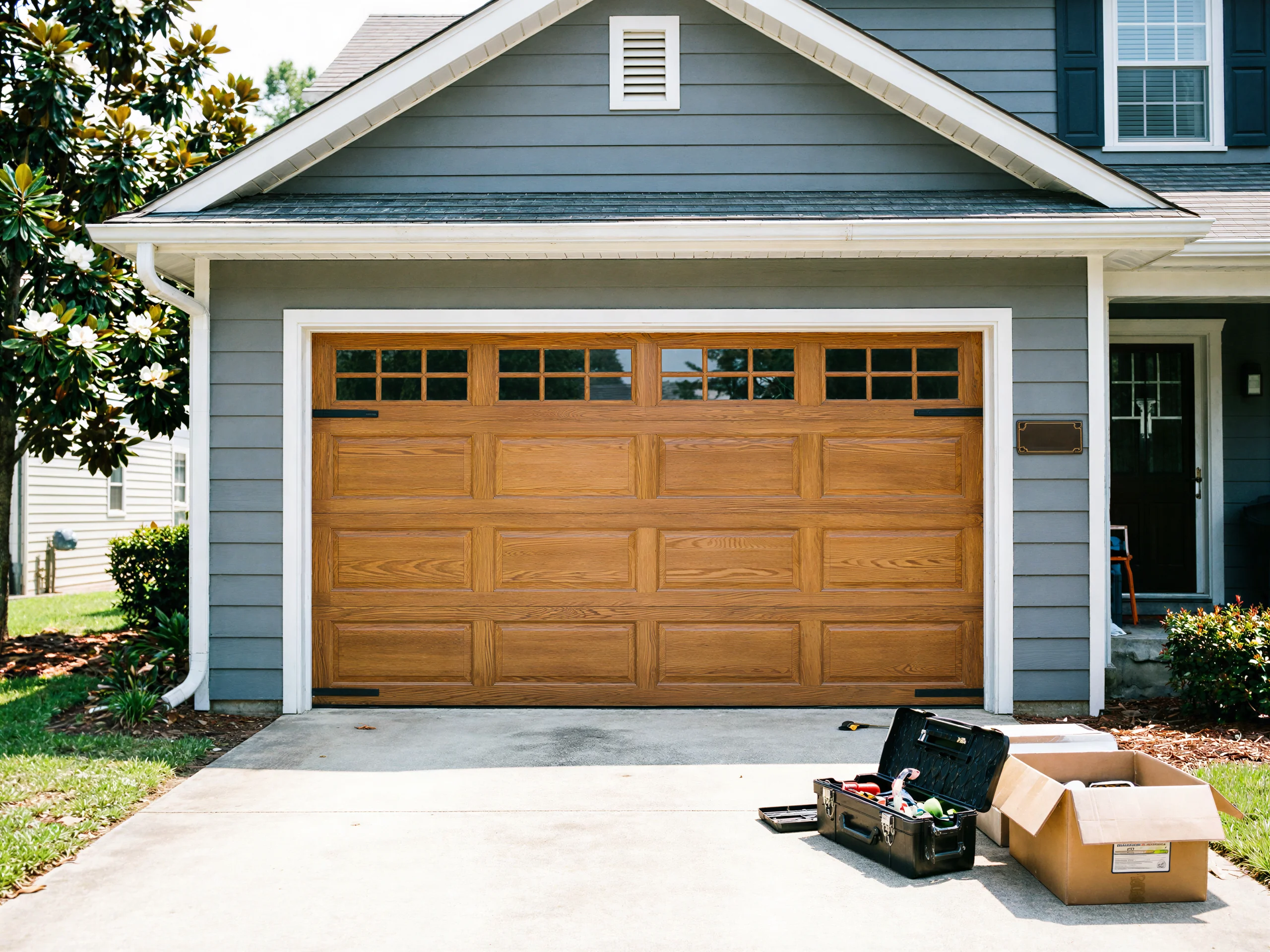
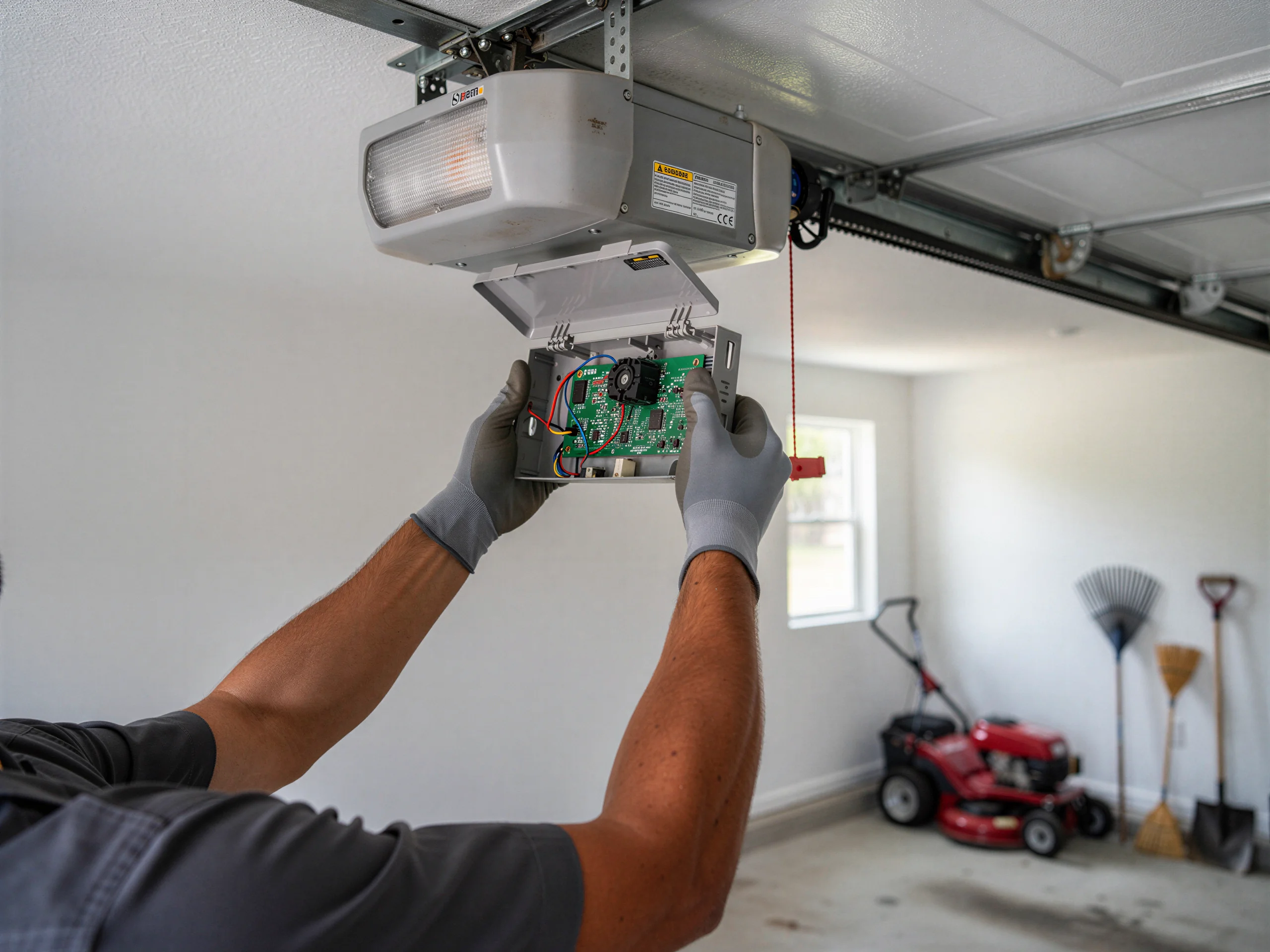
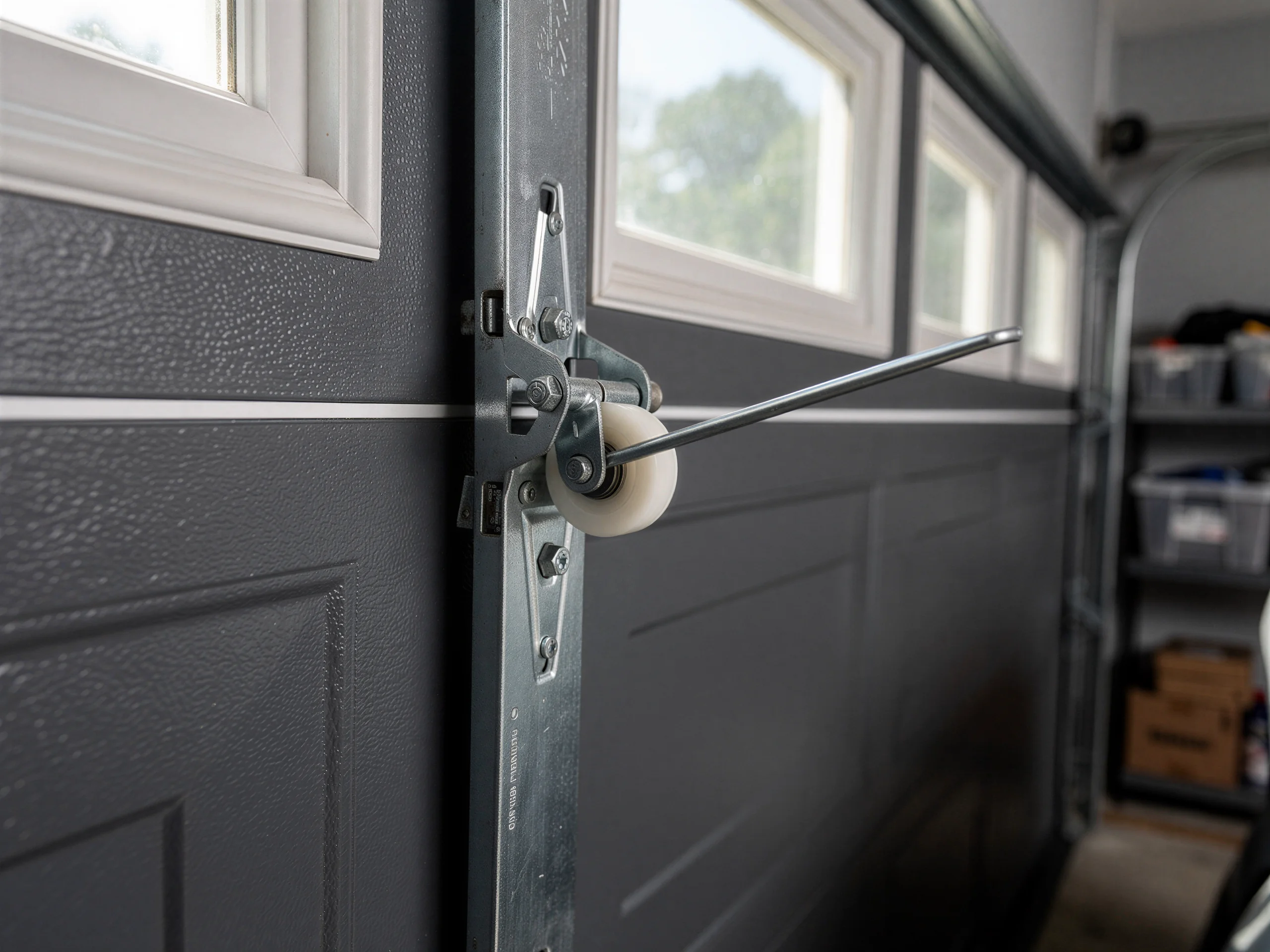
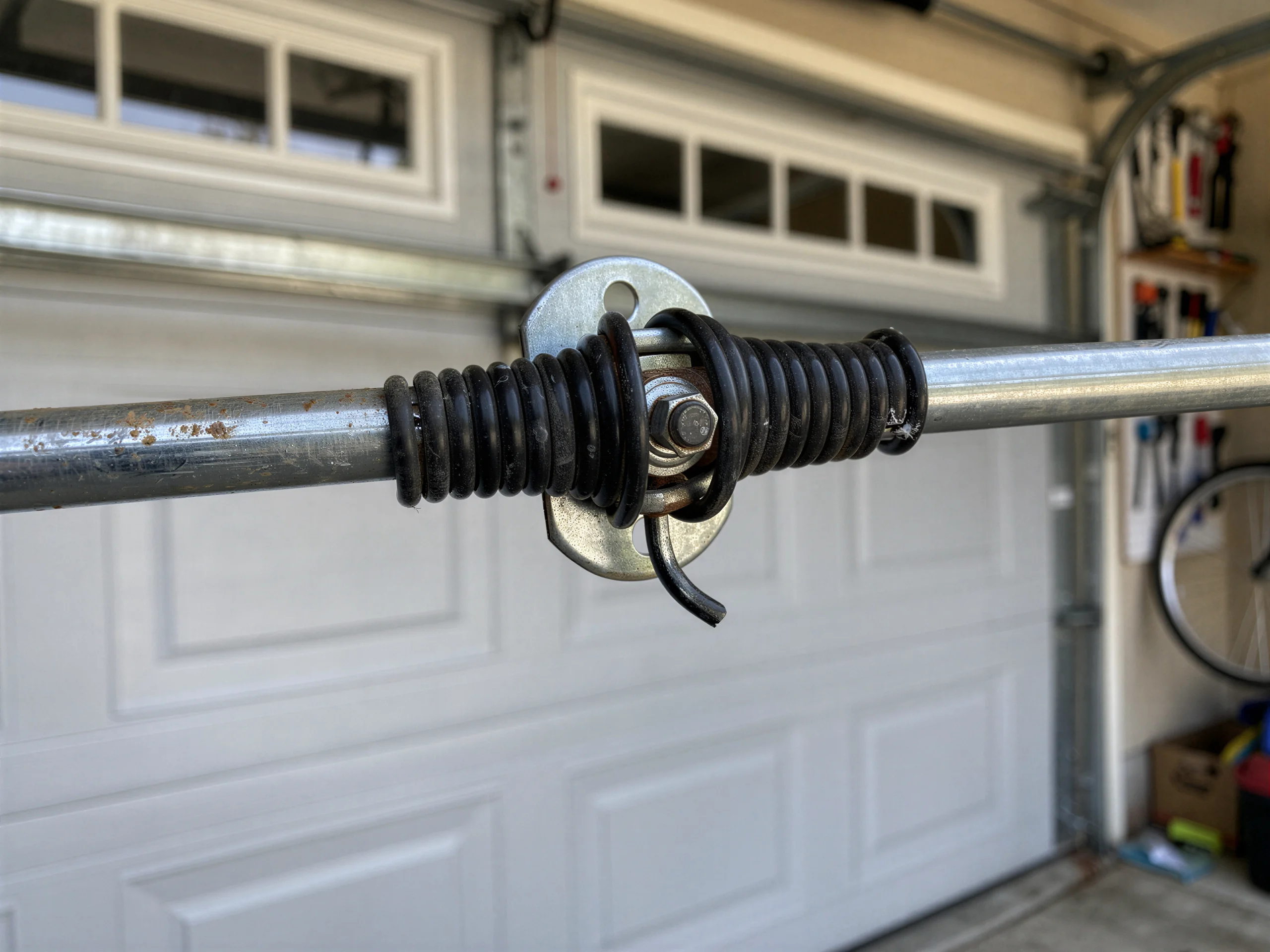
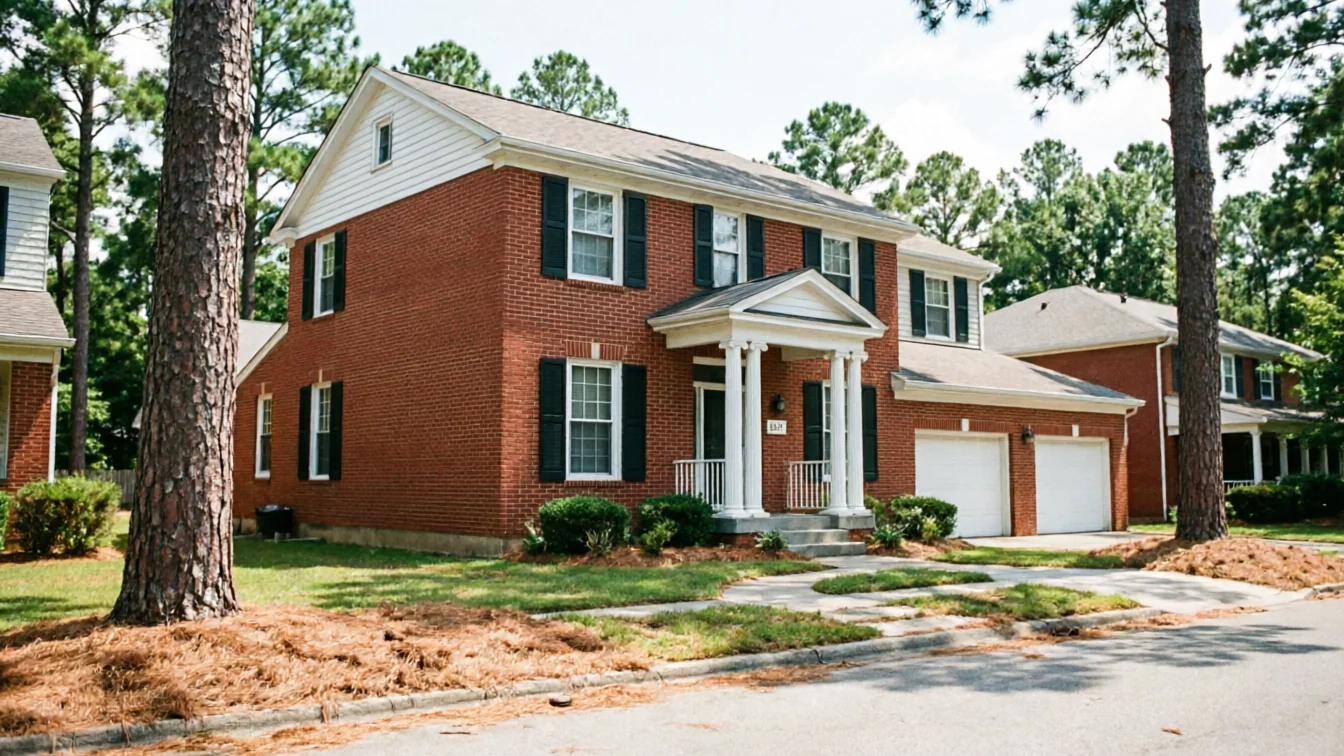
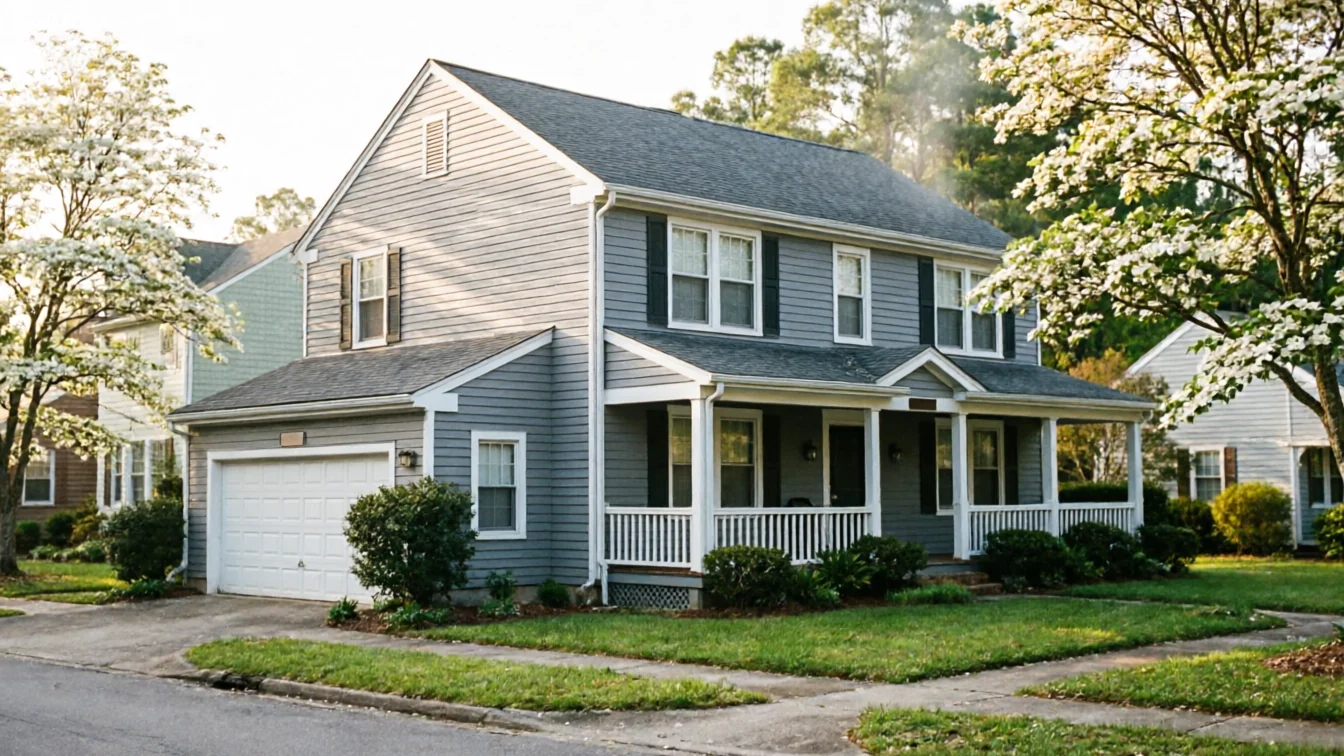
Westmoreland's housing stock centers on 1989, which puts most of the doors we see here a good two years behind the median for the wider Gallatin service area (1991). That gap matters less for the house and more for the garage: it's the stretch when builders were moving off steel torsion springs mounted on wood jambs and onto the galvanized track and extension-spring setups that showed up in a lot of mid-size production homes through the early '90s. If your door and opener are original, you're likely running hardware that was common for about a decade and then phased out - which means replacement parts aren't always sitting on a shelf the way they would be for a 2005 build. Across the broader area, homes run from 1959 to 2003, so Westmoreland sits almost dead center in that range rather than at either edge. That's useful context: you're not dealing with the oldest one-piece slab doors from the late '50s, and you're not dealing with the newer polyurethane-insulated sectional doors either. You're in the middle era, which has its own quirks - extension springs over the track instead of a torsion bar, single-bulb safety sensors added as a retrofit rather than built in, and openers that were upgraded once already, sometime in the 2000s, by whoever owned the house before.