How Local Conditions Play In
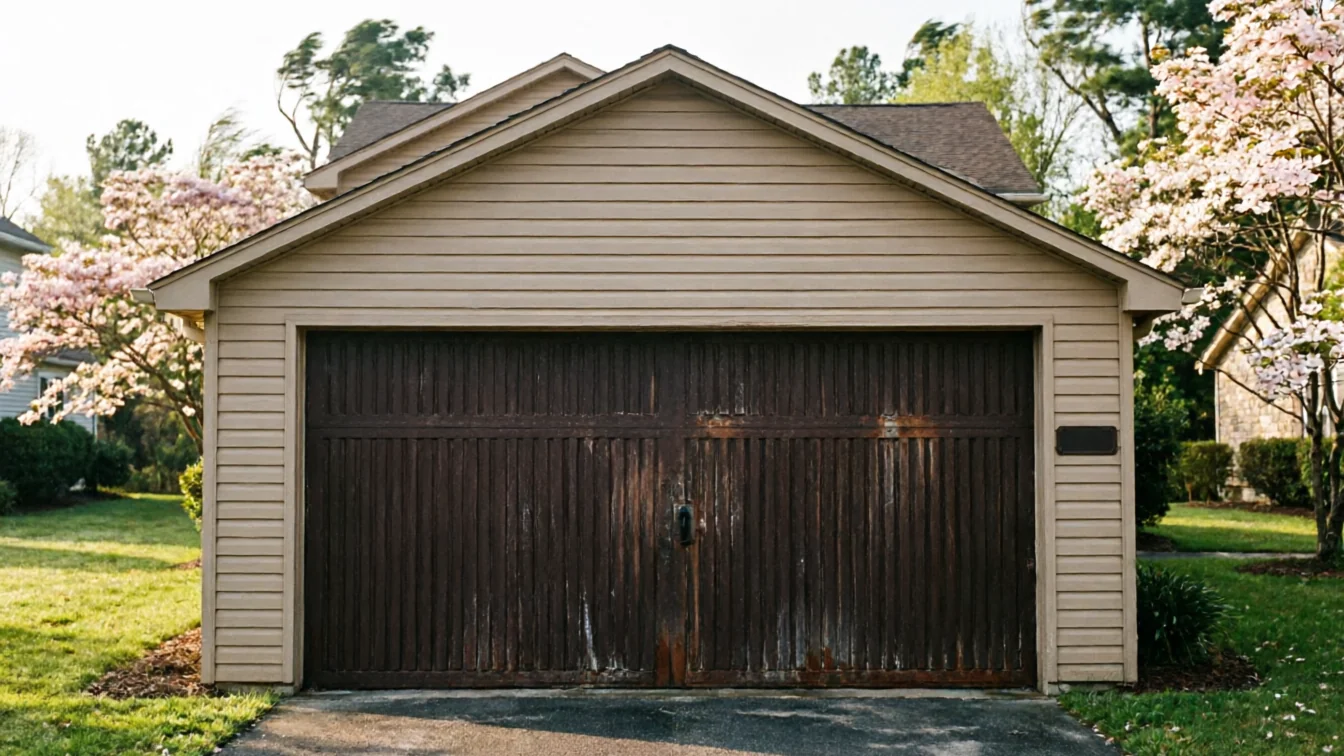
Most of the houses we work on across Gallatin and the 14 named areas we cover went up between 1959 and 2003, with the bulk from the 1980s and 90s. That matters more than people think. A door install from that era usually means a torsion or extension spring sized for the original steel door, not whatever heavier insulated door got swapped in at some point along the way. When we show up for a service call, we're not just checking the obvious moving parts - we're checking whether the spring on the door still matches the door that's actually hanging on it. In a market this size, with 16,187 owner-occupied houses sitting in that same build window, mismatched spring-to-door weight is one of the more common things we find that the homeowner never knew was wrong. We're in a cold-moderate climate band here, not the kind of place that fights single-digit cold snaps for months, but it's enough swing in temperature that hardware tightens and loosens through the year, and that's part of what a real inspection has to account for.
Season by Season
Cold-moderate means Gallatin doesn't get the brutal freeze-thaw cycling of a true northern climate, but it still gets enough temperature swing through the year to affect steel and lubricant. In the colder stretch, grease on rollers and hinges thickens, torsion springs lose a bit of tension as steel contracts, and openers that were already borderline on force settings start struggling more. That's usually when we get calls about a door that worked fine all summer and suddenly feels heavy or starts reversing on its own. Warmer months bring the opposite problem - expansion in tracks and panels that were never quite aligned to begin with, which shows up as noise or a door that binds partway through its travel. Because so much of the local housing stock is 20 to 60 years old, we're also dealing with hardware that's been through a few of these cycles already, which is part of why a spring or cable that looks fine in July can fail in January.
What Most People Get Wrong
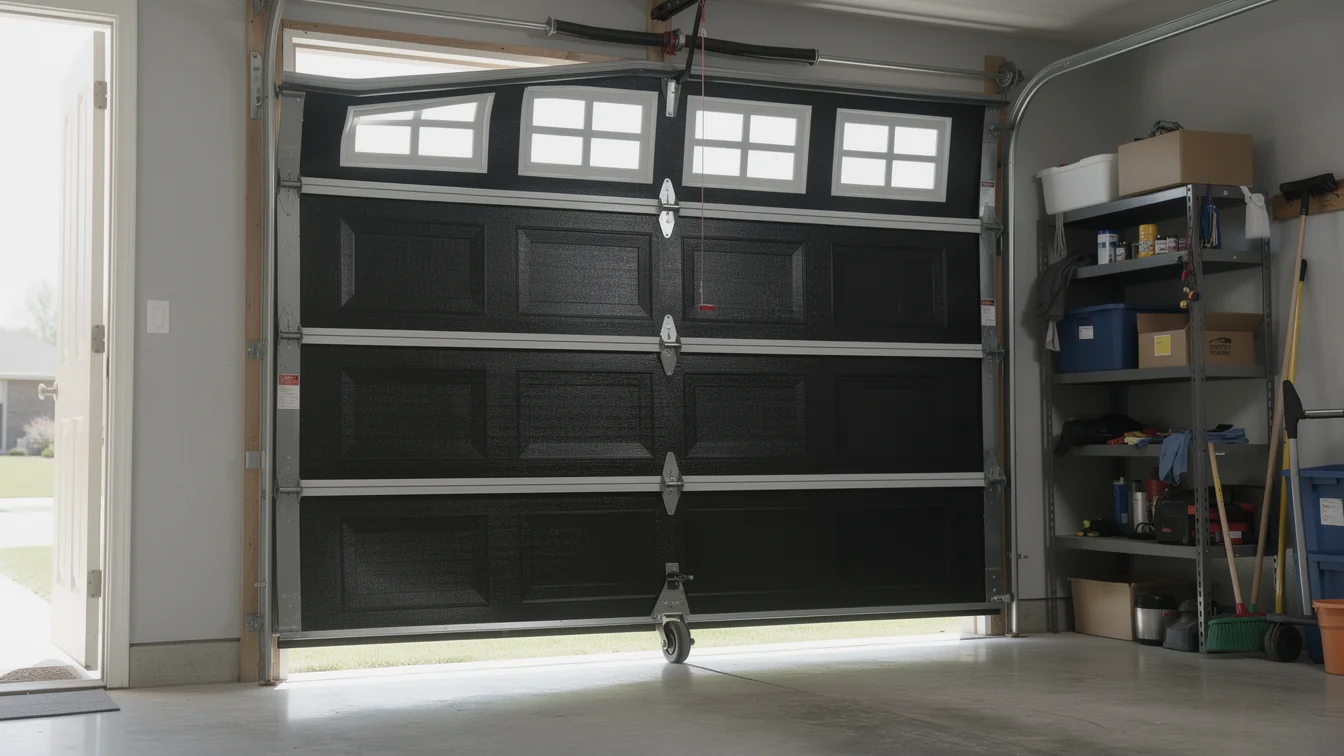
The biggest mistake we see is treating a garage door service call like an oil change - something you do on a schedule and expect the same result every time. With housing in this area spanning builds from 1959 clear through 2003, no two doors we service are dealing with the same age of hardware, and a one-size checklist doesn't hold up. People also assume a noisy door just needs oil, when on a lot of the 1980s and 90s builds we see, the noise is actually a sign the track brackets have worked loose over the decades and need re-anchoring, not lubricating. We won't lubricate our way past a problem that's structural. The other thing people get wrong is waiting for a full failure before calling. A spring that's visibly stretched or a cable that's starting to fray is a cheaper fix on a service call than the same part snapping and taking a panel or a finger with it.
The Problem
Here's the honest limitation: we can't always tell you over the phone whether a call is a $150 adjustment or a $600 spring and cable job, because the only way to know is to see the door move under load. With a median household income of $78,597 across roughly 29,110 households in this area, we know most people are budgeting for this, not treating it as pocket change, so we'd rather give you a real number on site than guess low and surprise you later. We also don't stock every part for every door built since 1959 on the truck - some older or less common hardware takes a day or two to source. If your door is original to a house built in the 80s or 90s, which describes a lot of what we see, tell us that up front. It changes what we bring and what we check first.
Talk to a local pro
Garage door trouble in Gallatin?
Same-day service with honest, upfront quotes.