Seized track prevention
It's a quiet failure mode, not a dramatic one, and it's exactly what a basic maintenance visit is built to catch before it turns into a seized track.
Portland, Gallatin
Portland homes run newer than most of the Gallatin coverage area, but at $72,380 median income, a $900 opener swap is a bigger call here. Here's the maintenance math.
Our process
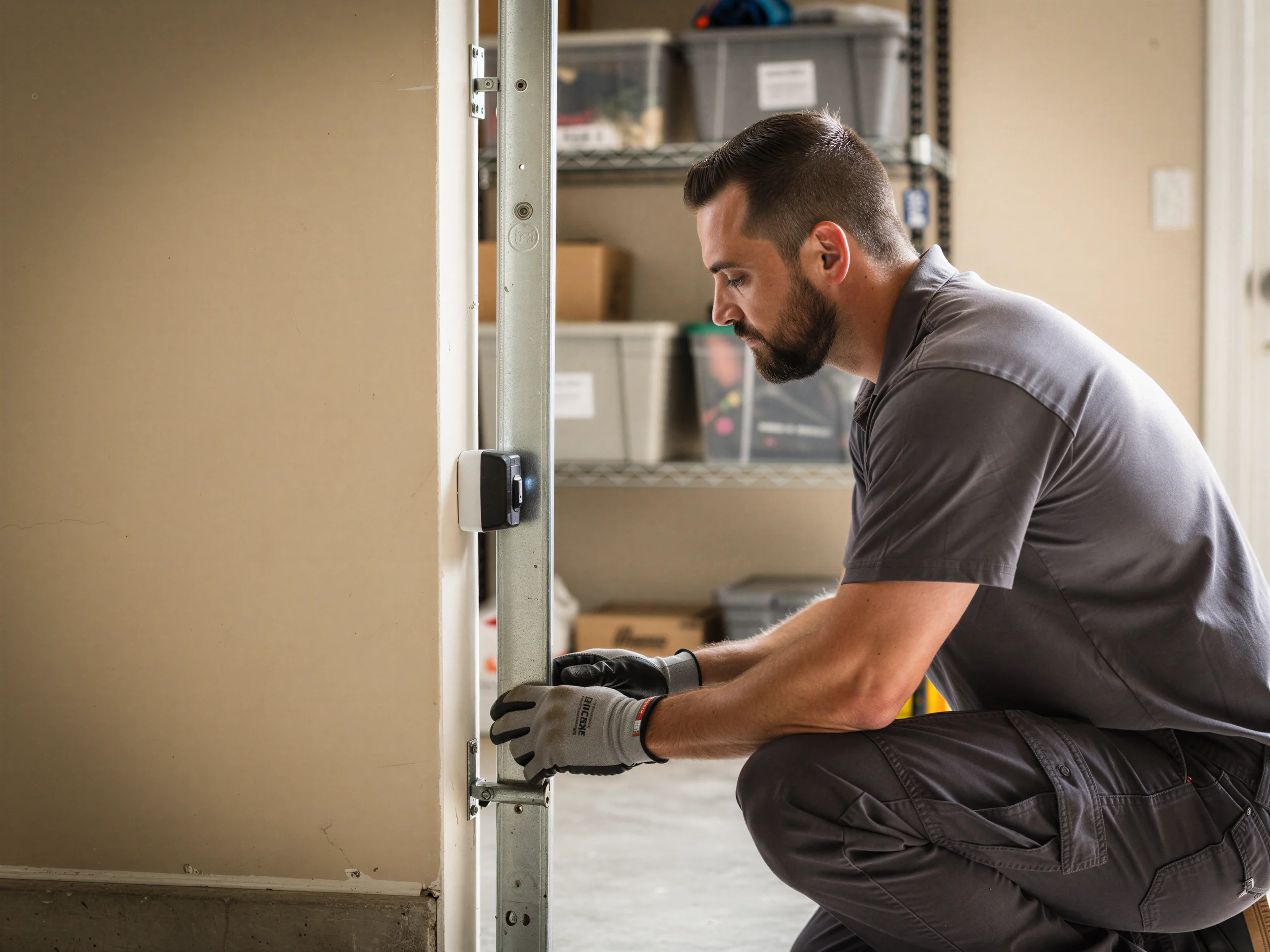
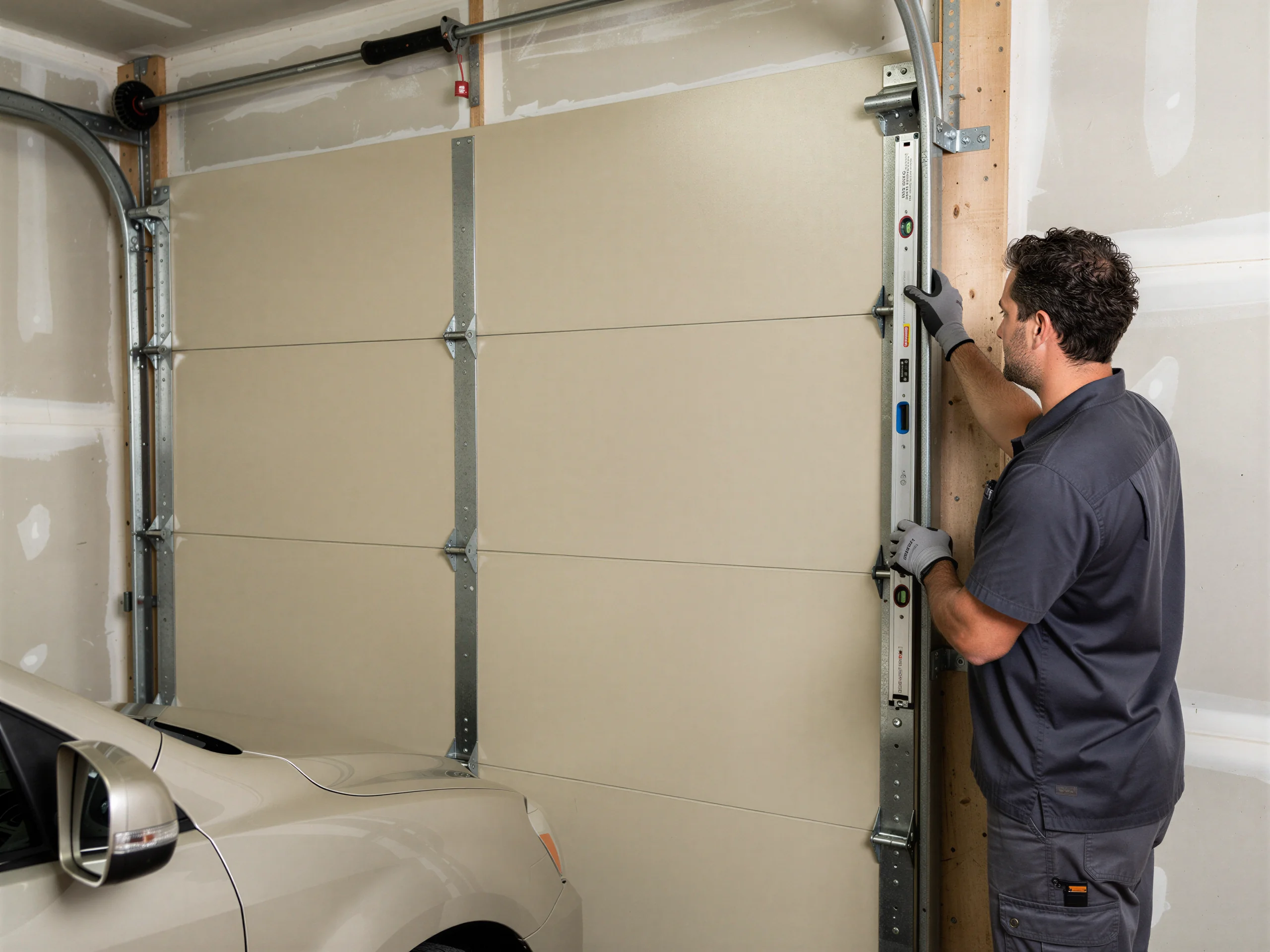
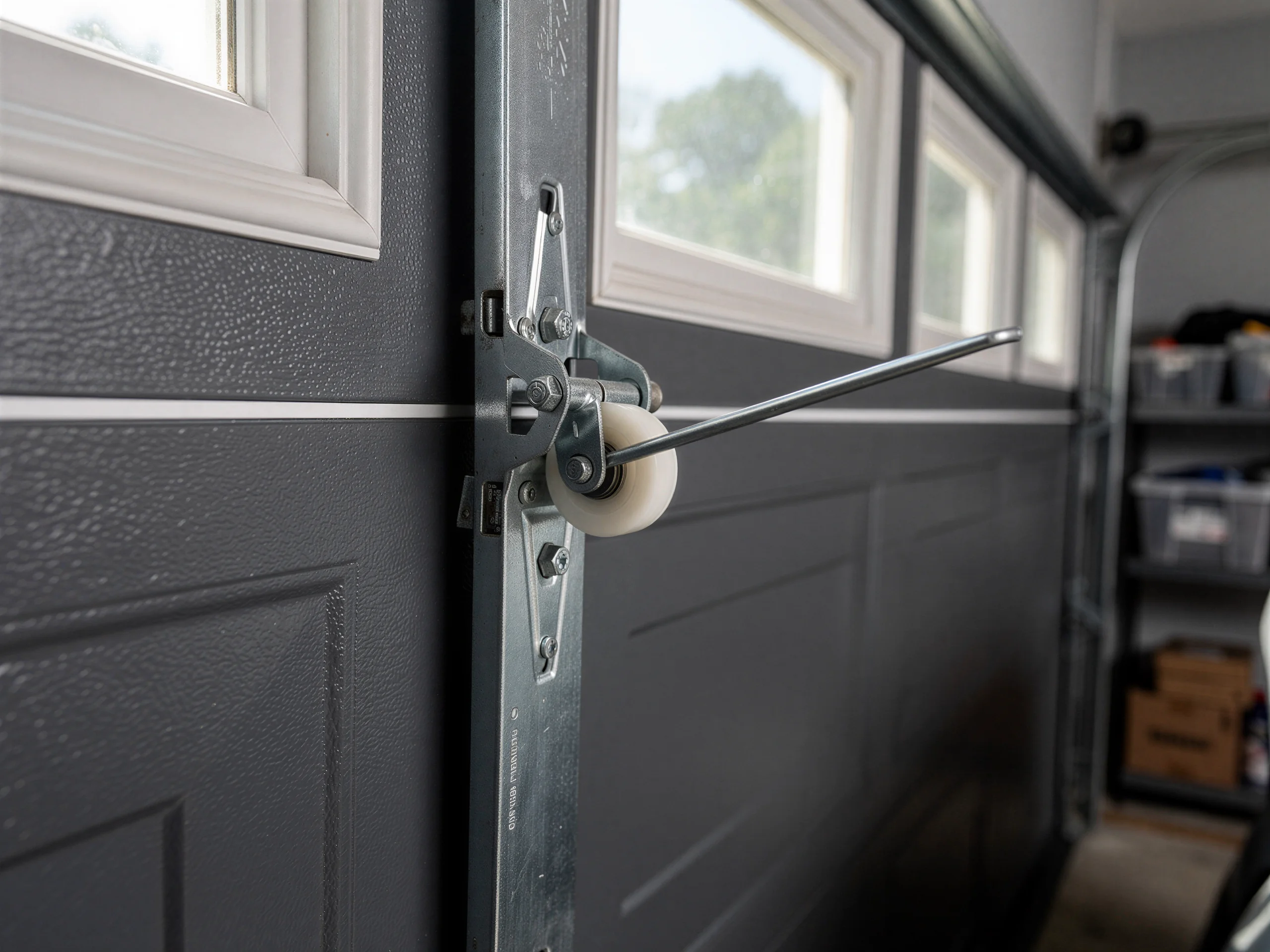
We drive the 15 miles out from Gallatin to do the same maintenance visit we'd do anywhere: lubricate rollers and hinges, check spring tension, tighten the track bolts that work loose over a few thousand cycles, test the auto-reverse and the force settings on the opener, and look at cable wear at the drum.
On a door built around 1995, which is close to the median age of a Portland house, that's usually a straightforward visit. The hardware is newer than what we see in some of the older pockets of the wider coverage area, so we're rarely fighting rust-frozen fasteners or obsolete spring sizes.
Where it gets more deliberate is the decision point. At a median household income of $72,380 - noticeably below the $78,597 median across the rest of the service area - the call on whether to adjust a spring or replace the opener outright carries more weight per dollar.
We'll tell you straight when a $150 tune-up buys you another three or four years versus when you're pouring money into a door that's already telling you it's done. We don't pad a maintenance ticket to make the next repair visit more likely.
Warning signs
On a 1995-era door, the failure pattern is different from what shows up on the 1959-1979 stock elsewhere in the coverage area. You're less likely to see a one-piece door on side-mounted hardware and more likely to see a sectional door on a standard extension or torsion setup - but the opener itself is often original, and a chain-drive opener from the early-to-mid '90s is now pushing thirty years of cycles.
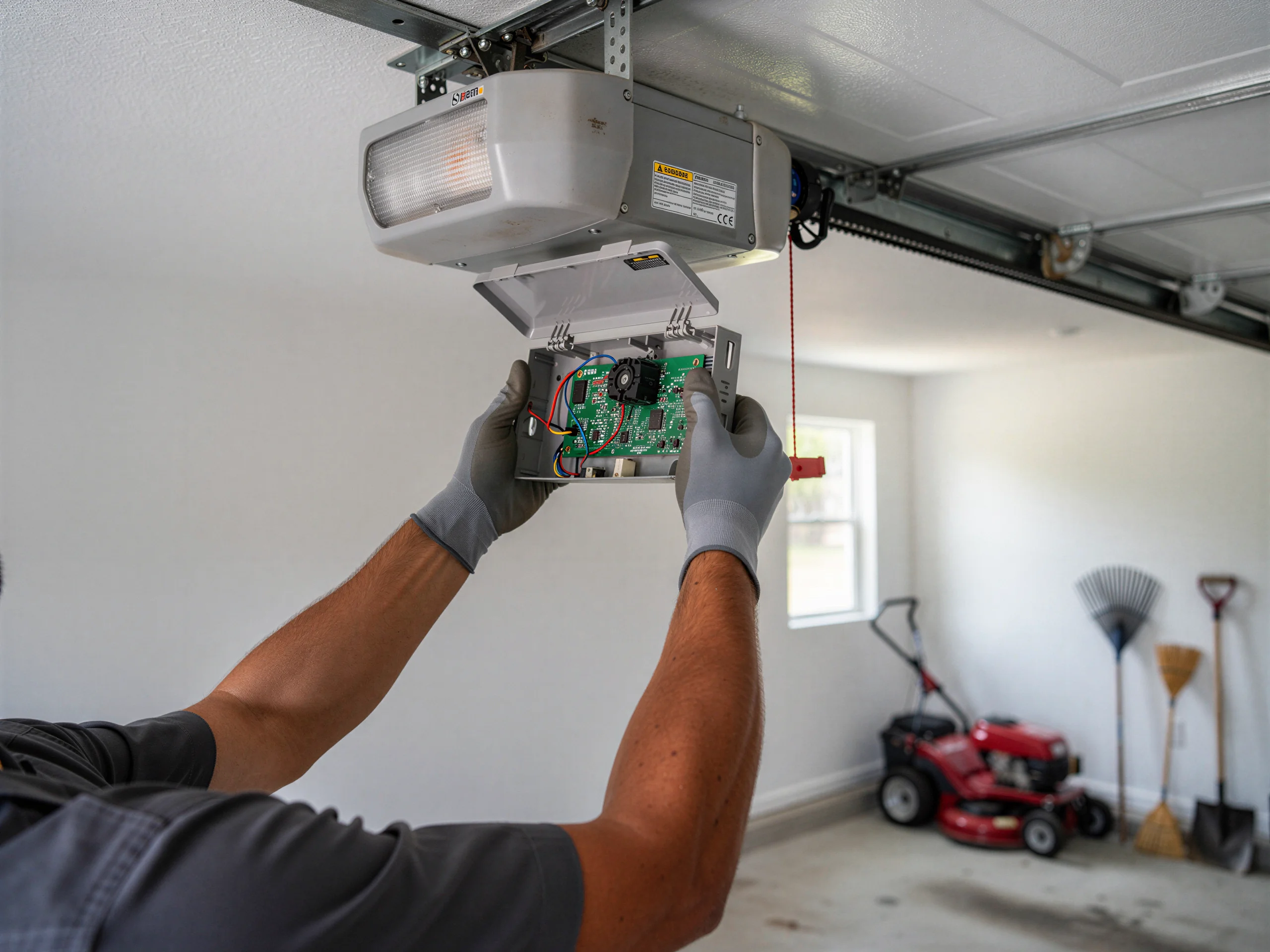
What we actually find on these calls: a spring that's lost tension gradually rather than snapped outright, so the door feels heavier every month but nobody notices until it won't lift past waist height; worn rollers rattling in a track that's otherwise sound; and opener logic boards that still work but trip the safety reverse on cold mornings because the force setting was never recalibrated after the springs aged. None of that is dramatic. It's slow, and it's the kind of thing a maintenance visit catches before it becomes a stuck door on a Monday morning.

Local causes
The climate band here is cold-moderate, which means freeze-thaw cycles through the winter rather than the deep, sustained cold you'd design for further north. That's hard on grease and lubricant more than on steel - cheap lubricant stiffens in a cold garage and gums up rollers right when the door sees the most daily use.
It's a quiet failure mode, not a dramatic one, and it's exactly what a basic maintenance visit is built to catch before it turns into a seized track.
The income number matters here too, not as a judgment but as a planning fact. At $72,380 median household income, a surprise $1,200 opener replacement lands differently than it would somewhere with a higher median.
That's the argument for maintenance in the first place: catching a worn roller or a loose track bolt for the cost of a service call is a different conversation than replacing a door that failed outright on a Saturday.
Job timing
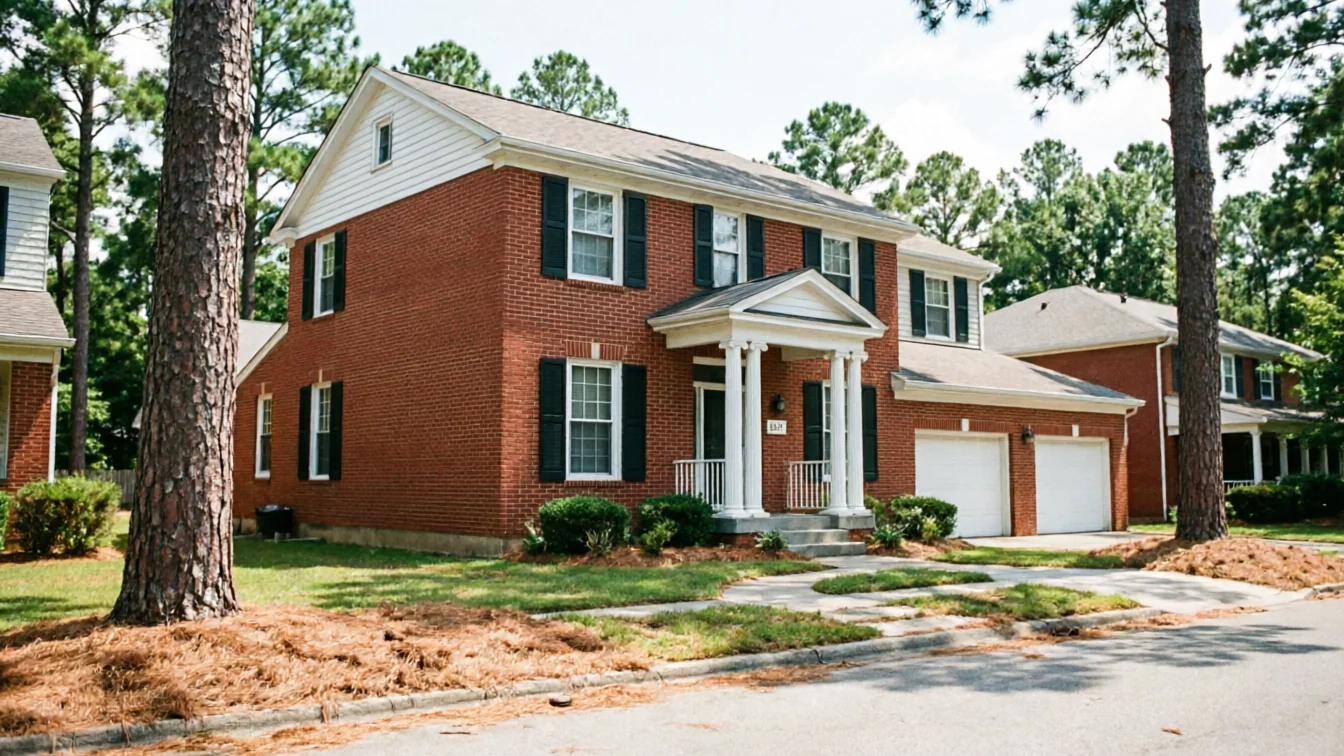
A standard maintenance visit - lubrication, hardware check, spring tension check, opener force and reverse test - runs the same length of time whether the door is in Portland or anywhere else we service, because the work itself doesn't change with the address. What changes is how much extra time we spend once we're there. On a door built around 1995, we're usually not fighting decades of rust or long-discontinued spring sizes, so most visits here stay close to the base maintenance window rather than running long.
Where it stretches is the opener. If the unit is original to the house, we're often doing a logic board inspection and a force recalibration on top of the mechanical check, since those units weren't designed to run three decades without a look. That adds time, but it's the kind of time that avoids a callback.
Watch-outs
We're honest about the limits of a maintenance visit. If a spring has already lost enough tension that the door is routinely left half-open overnight, that's not a lubrication problem - that's a repair call, and we'll say so rather than charging you for a tune-up that won't hold.
Same with an opener logic board that's failing intermittently: we can recalibrate force settings, but we can't rebuild a board that's dying, and we won't pretend otherwise. We also don't carry every opener part on the truck for units from the early '90s.
If yours needs a specific gear or sprocket that's been out of production a while, we may need to order it, which means a second visit instead of one.
That's not a Portland-specific problem, but it's a real one on houses this age, and we'd rather tell you upfront than have you expecting a same-visit fix that isn't coming.
Questions
Once a year is reasonable for a door built around 1995, assuming normal use. If the opener is original to the house, we'd lean toward checking it a little more often, since the force settings and safety reverse on units that age tend to drift as springs lose tension.
Usually, yes, if the motor and logic board are still working. A force recalibration and lubrication visit is a fraction of the cost of replacement. But if the board is already acting erratic, we'll tell you that maintenance won't fix it and replacement is the better call.
No. We're based in Gallatin and drive the roughly 15 miles out to Portland for service calls. There's no separate branch or depot here - it's the same crew and truck covering both towns.
Lubricating rollers and hinges, checking spring tension, tightening loose track hardware, and testing the opener's force settings and auto-reverse safety feature. If something beyond that needs attention, we'll flag it separately rather than bundling it into the tune-up price.
Explore more
Ready when you are
Gallatin Garage Door Pros repairs and installs garage doors, springs and openers in Gallatin, TN and the surrounding area.