Thirty-year-old opener hardware
Most houses out here were built around 1989, which puts the original garage door opener and hardware right at 30-plus years old - past the point where the gears, the logic board, or the drive belt are reliable.
Westmoreland, Gallatin
Westmoreland's garage doors mostly went up in the late 1980s. That means original openers reaching the end of their service life. Here's what we see and how we fix it.
Warning signs
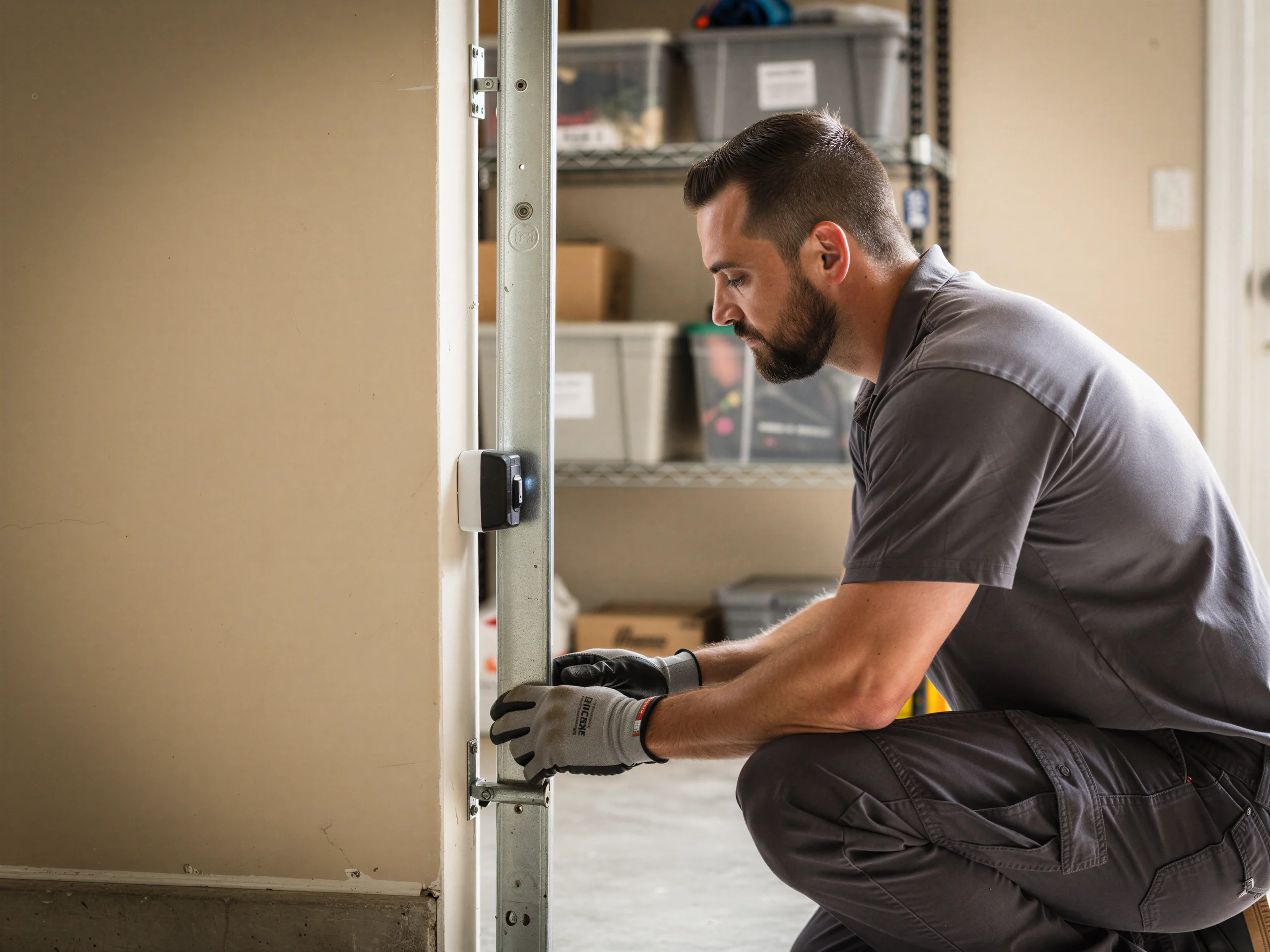
The call we get most from Westmoreland starts the same way: the opener runs, the door doesn't move, or it moves and stops halfway. That's not random.
Most houses out here were built around 1989, which puts the original garage door opener and hardware right at 30-plus years old - past the point where the gears, the logic board, or the drive belt are reliable.
A chain-drive opener from that era was built to last maybe half that span before something in the drivetrain gives out. Across the wider service area the housing runs from 1959 to 2003, with the bulk going up in the 1980s and 90s, so Westmoreland sits squarely in that window rather than at either edge.
That matters because it tells us what's behind the wall before we even get there: steel torsion springs rated for a lighter door than what's often been swapped in since, and openers with safety reversal systems that predate the sensors required on anything sold today. We don't guess at this - the build year tells us what to expect on the truck.
On the truck
For a town this age we carry torsion springs sized for doors built on 1980s and 90s track systems, not just modern lightweight panels. We also stock the standard replacement rollers and cables that wear out on hardware from that period, plus openers with current safety reversal sensors, since a lot of what's still running out here predates that requirement.
Cold-weather grease and lubricant are part of every truck regardless of town - the service area sits in a cold-moderate climate band, and winter is when stiff springs and gummed-up tracks show their age fastest. What we don't carry is a guess. If a part turns out to be a size or style we don't have loaded, that's a second trip, not a stall - we'd rather tell you that up front than pretend every job gets solved from the first visit.

Watch-outs
The complication in Westmoreland isn't exotic parts - it's that original hardware from a 1989 build often got partially replaced over the decades, one piece at a time, by whoever was cheapest at the time.
We'll find a newer opener bolted to 35-year-old track, or a replacement spring that's the wrong gauge for the door it's lifting. That mismatch is harder to diagnose over the phone than a single clean failure, and it's the main reason a quote changes once we're actually looking at the hardware.
Westmoreland is about 18 miles out from our shop in Gallatin, which doesn't change the repair itself, but it does mean we plan the truck's parts load before we leave rather than restocking mid-call the way we might closer to home.
Household incomes here run lower than the service area's overall median, and we've found that matters less for what the job costs and more for which jobs get put off - a spring that should've been replaced two years ago is a common sight.
DIY or pro
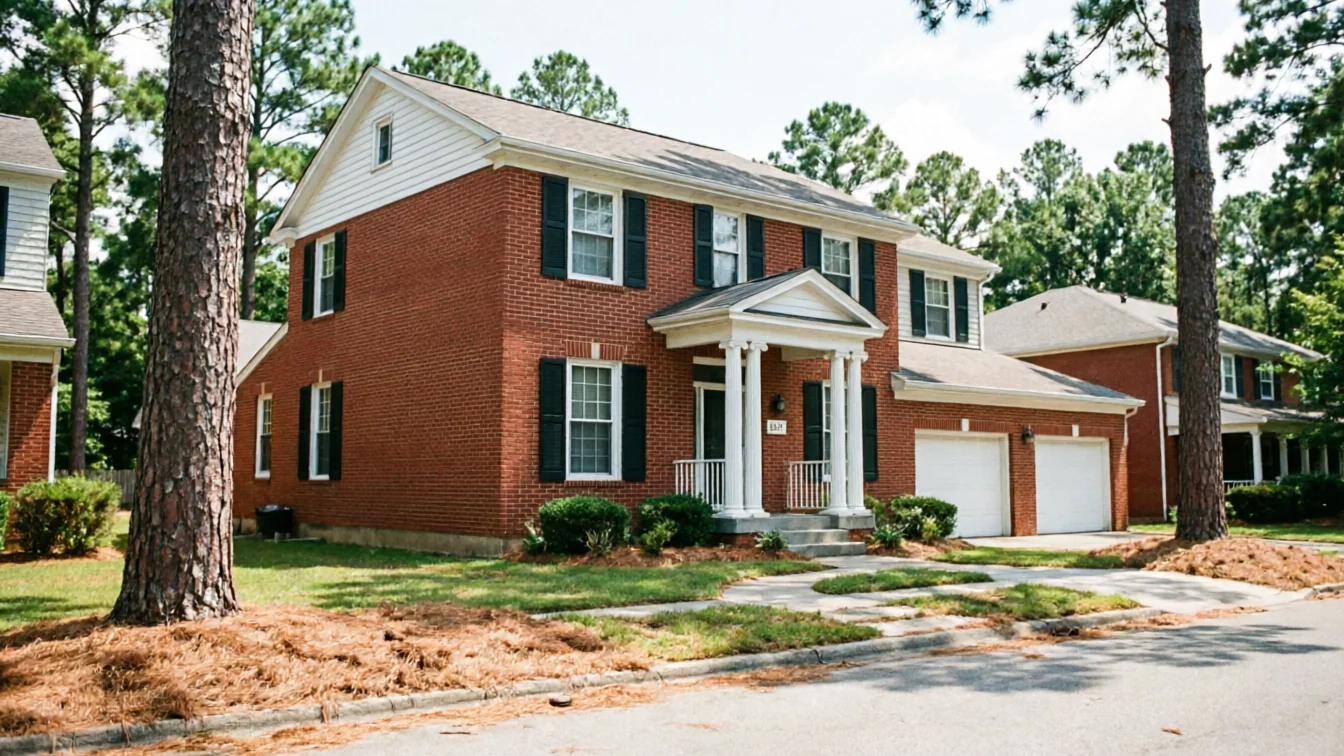
Some of this is fair to do yourself: lubricating hinges and rollers, tightening loose bolts, clearing track debris, replacing weatherstripping. None of that needs a call.
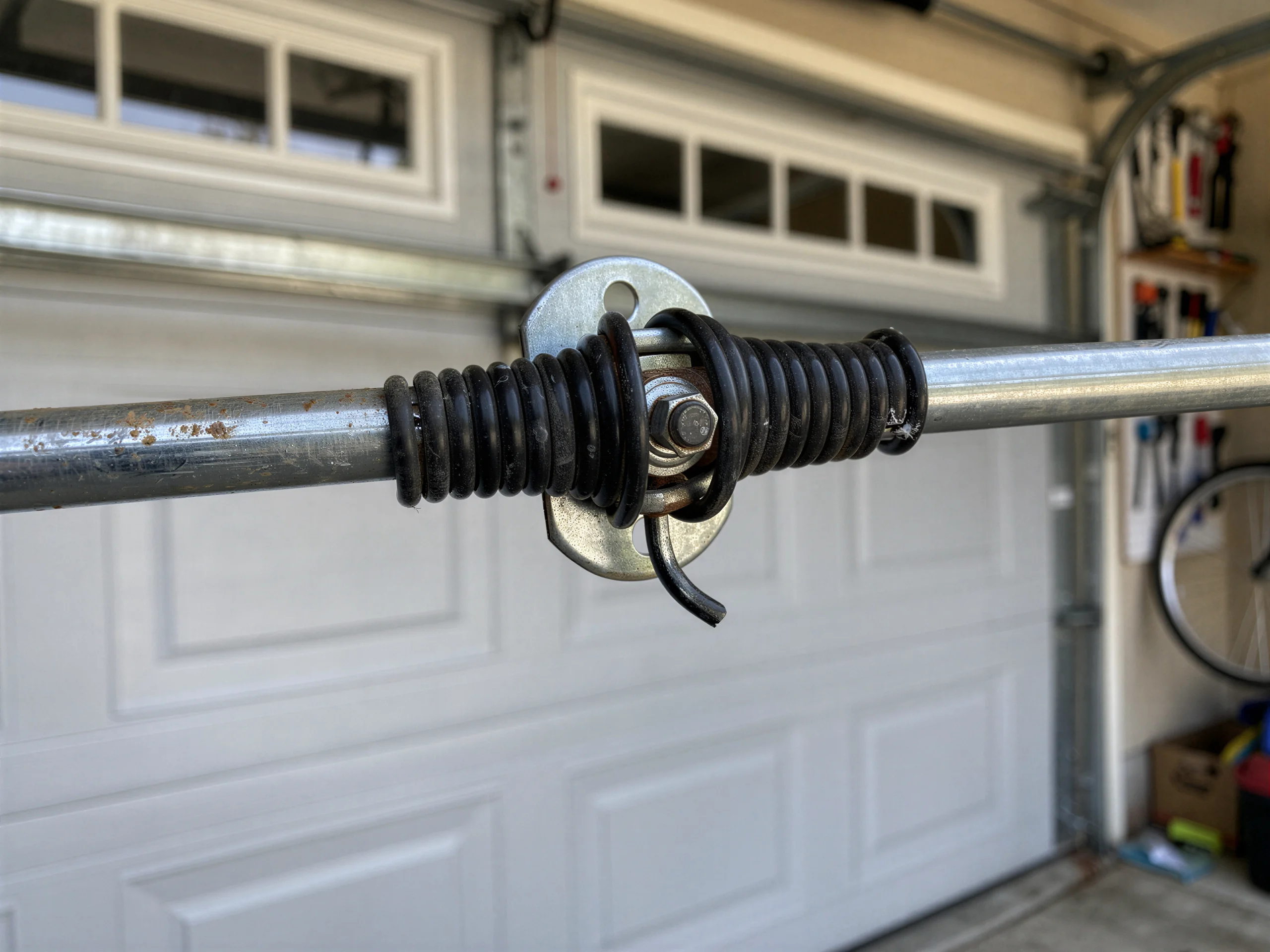
Torsion springs are not on that list. A door built for a standard torsion spring setup stores enough force to break a finger or worse if the spring lets go while you're working on it, and the age of hardware common in Westmoreland - original 1989-era springs rarely replaced on schedule - makes that failure more likely, not less. If your opener is original to the house, the honest move is often replacement over repair, since parts for a drivetrain that old are getting harder to source and a new opener with modern safety sensors costs less over time than patching a dying one twice.
Our process
We start by matching what's actually on the door to what was probably installed when the house was built, since in a town like this the two often don't match anymore.
If the spring is wrong for the door weight, we replace it with one that is, not with whatever's already hanging there. If the opener predates safety reversal sensors, we flag that as a replacement conversation, not just a repair.
We travel the 18 miles from Gallatin for every call here, so we load the truck with the late-80s and 90s hardware this neighborhood actually needs before we leave, rather than guessing once we arrive. That's slower for us and faster for you.
Not every job needs a full opener swap - plenty of what we see is a worn roller or a cable that jumped track, both quick fixes - but we'll tell you plainly when the fix is cheaper than the part it's replacing, and when it isn't.
Questions
If your house was built around 1989, like most of Westmoreland, the opener itself may simply be original and past its working life. Servicing extends a dying unit's life a little, but it doesn't reset the drivetrain. At some point replacement costs less than repeated repair calls.
No. We work out of Gallatin and drive out to Westmoreland, about 18 miles each call. We load the truck for the hardware common to this town's building era before we leave rather than restocking mid-job.
Usually yes. A spring from a 1980s-era install is well past its rated cycle count, and a snapped spring under tension is a safety risk, not just an inconvenience. Replacing it on your schedule beats replacing it on its own.
Explore more
Ready when you are
Gallatin Garage Door Pros repairs and installs garage doors, springs and openers in Gallatin, TN and the surrounding area.