Past-homeowner fix threshold
If the sensors are aligned and clean and the door still won't close, or the opener runs but the door doesn't move, that's past a homeowner fix. We won't pretend every job needs a truck.
White House, Gallatin
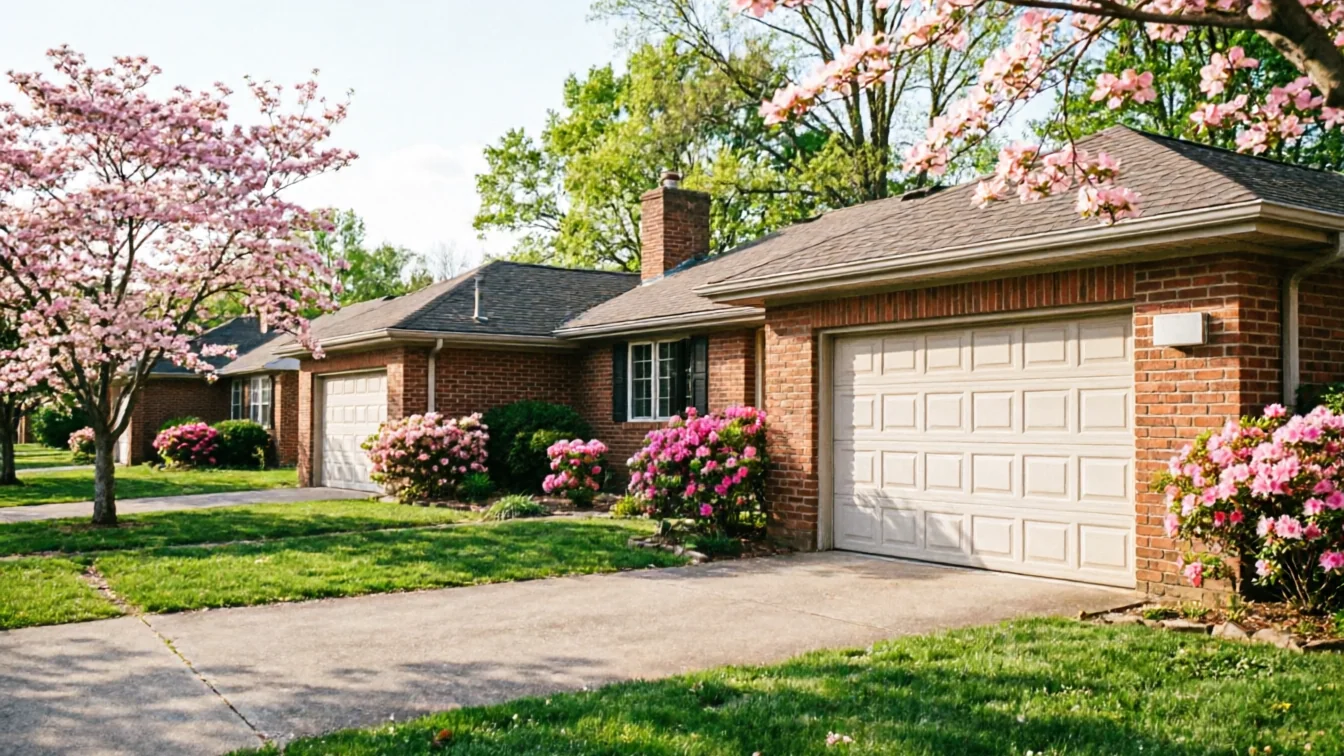
Opener trouble in a White House home built after the 1990s boom looks different than an older fix. Gallatin Garage Door Pros covers the 13-mile run out from Gallatin.
Warning signs
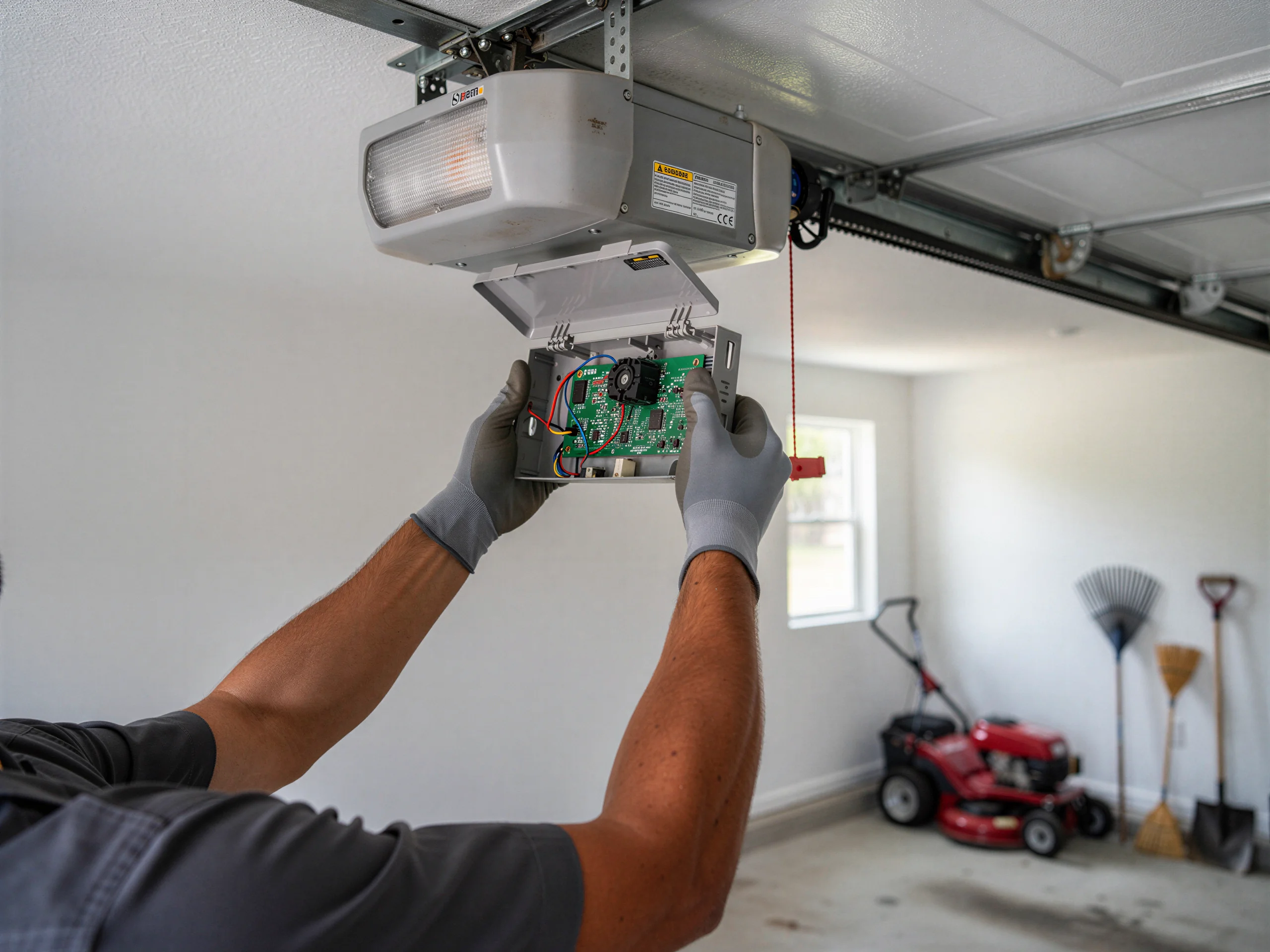
The call we get from White House almost never starts with a dead opener. It starts with one that half-works: the door reverses for no reason, the remote only fires from six inches away, or the wall button does something but the motor hums and stops. That pattern points at the logic board or the safety sensors, not the motor itself.
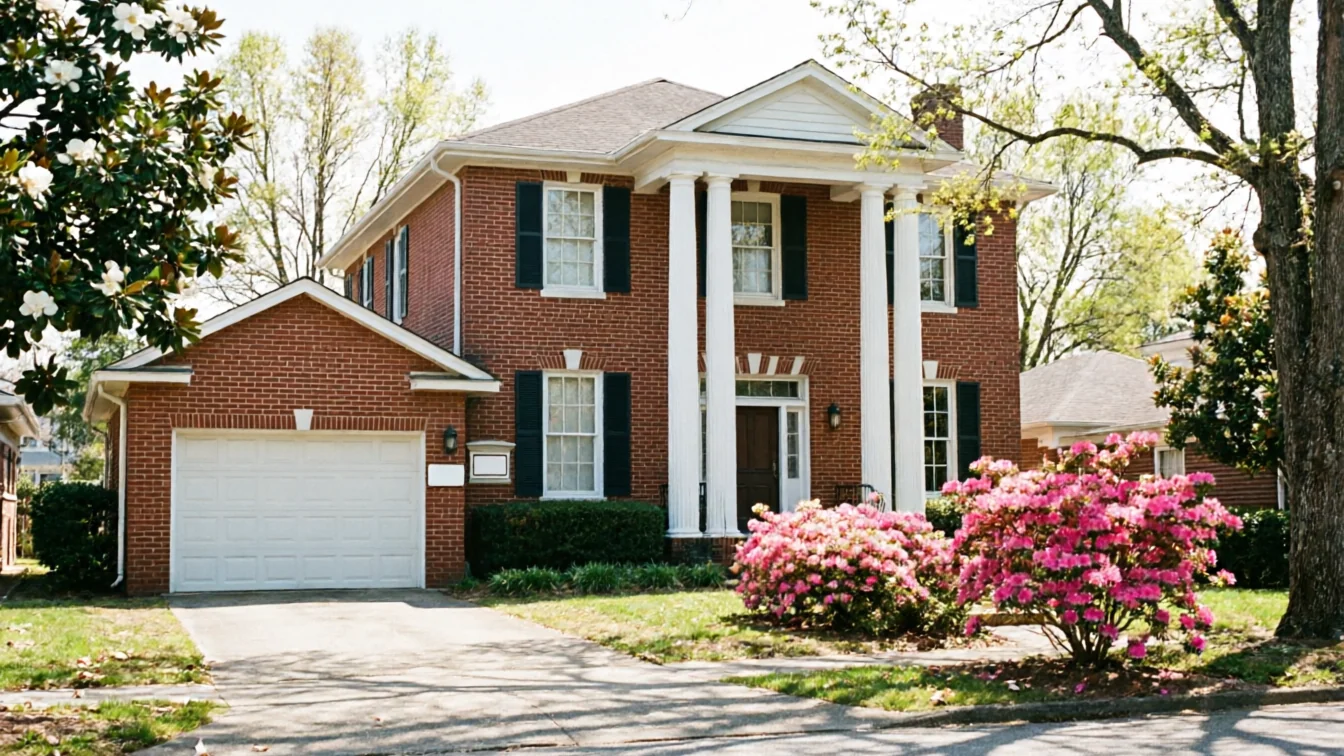
Here's why that matters for this suburb specifically. The housing stock across the wider service area runs 1959 to 2003 with a median around 1991, but White House itself sits newer, with a median build year around 2002. That means most openers here are original chain or belt-drive units installed when the house went up, now pushing twenty-plus years old. At that age the circuit board capacitors and the photo-eye sensors are the parts that fail first, well before the gears or the chain do. In an older 1970s house the fault is usually mechanical wear. Here it's electronics aging out on schedule.
DIY or pro
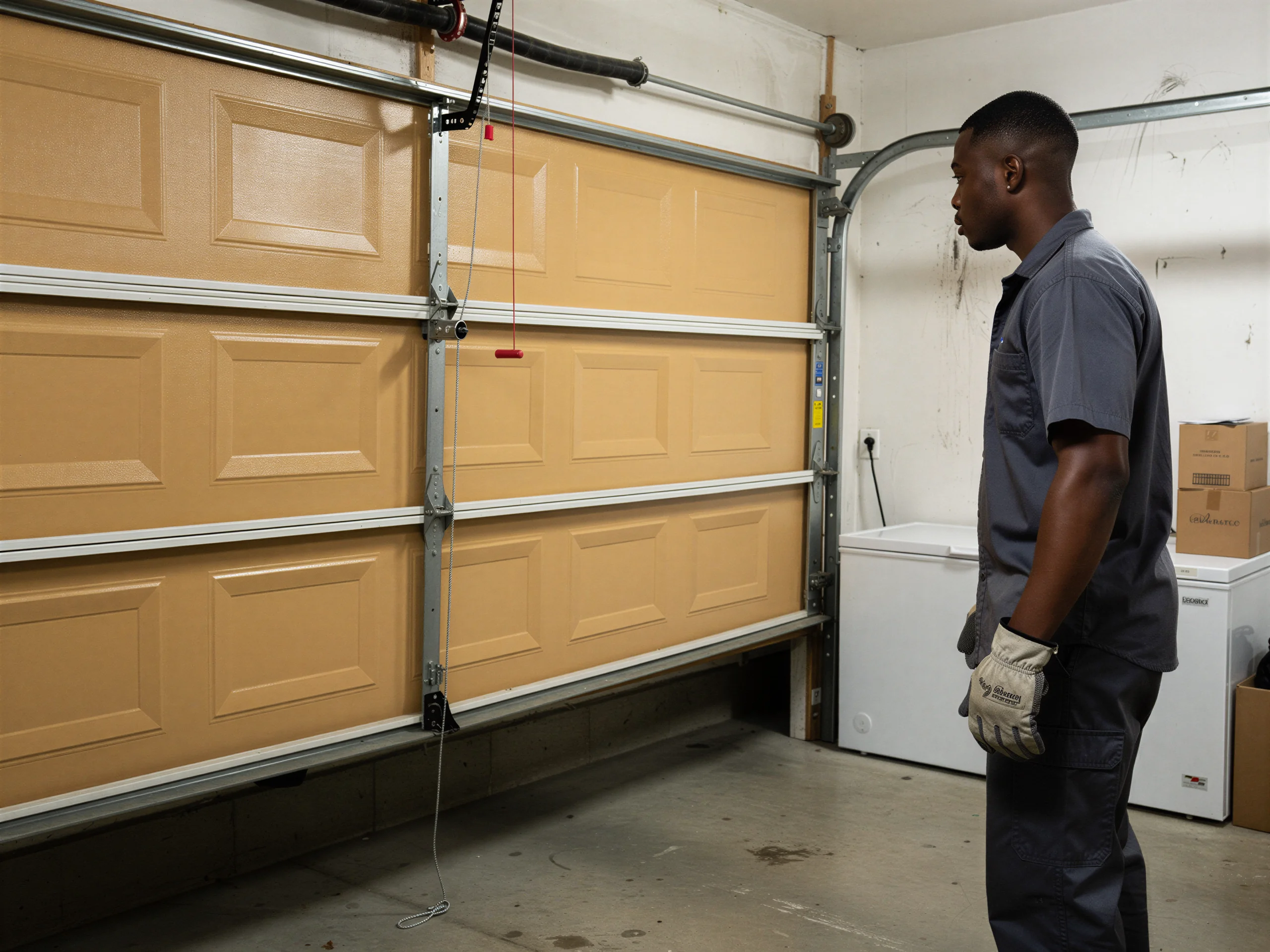
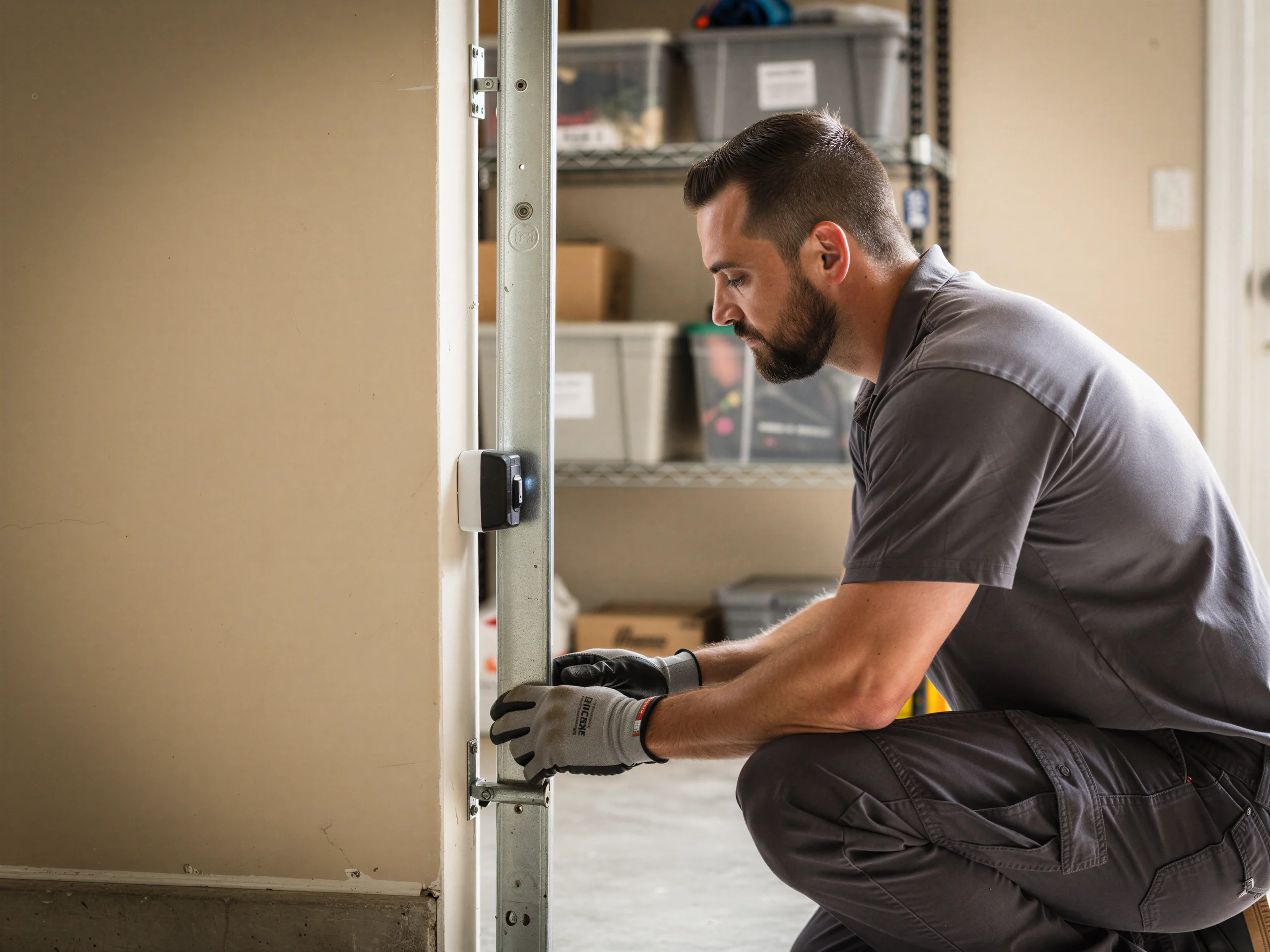
You can reset a remote code and you can wipe the lenses on the two safety sensors at the bottom of the track - that fixes a surprising share of these calls and costs nothing.
If the sensors are aligned and clean and the door still won't close, or the opener runs but the door doesn't move, that's past a homeowner fix. We won't pretend every job needs a truck.
Reprogramming a remote, replacing a 9-volt backup battery in the unit, or clearing a stuck obstruction in the track are all things you can do with a stepladder and ten minutes.
What you shouldn't touch is the logic board itself or anything involving the high-voltage side of the motor housing. That's a repair, not a reset, and it's where people get hurt or turn a $150 board swap into a full opener replacement.
Local causes
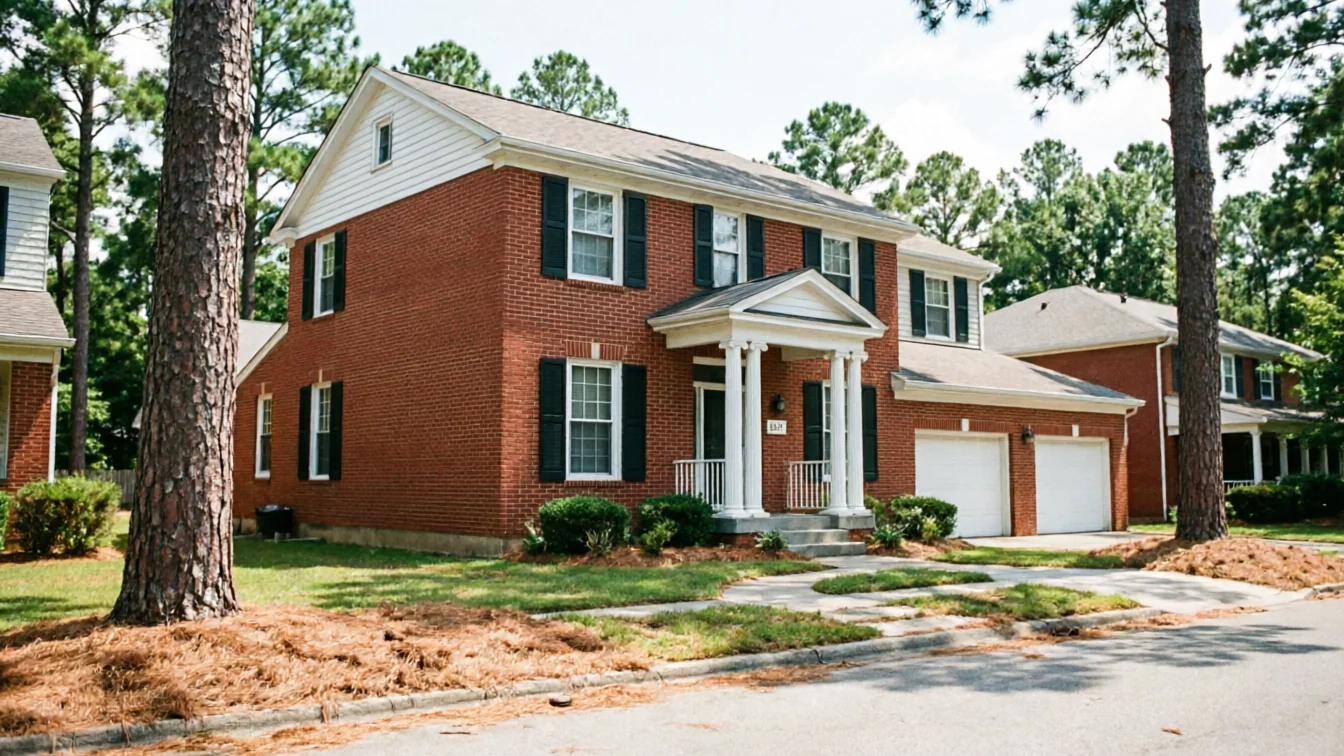
Two things stack up on a house built around 2002. First, the opener is old enough that the manufacturer has likely discontinued the exact board, which means a same-day board swap isn't always possible - more on that below. Second, this area sits in a cold-moderate climate band, which means the opener's logic board and motor live through real temperature swings season to season inside an unconditioned garage. That cycling is hard on solder joints and capacitors over two decades, and it's a big part of why boards from this era fail before the mechanical drive does.
The area median household income here runs higher than the broader service area's $78,597 figure, and a lot of these households own rather than rent, which usually means people fix the opener once properly rather than patch it twice. That's the context - not a reason the job itself is any different to do.
On the truck
For an opener call out to White House we carry common logic boards for the major chain and belt-drive brands sold through the late 1990s and 2000s, replacement safety sensor pairs, drive gears and sprockets for chain units, and belt sections for belt-drive openers.
We also carry a stock of wall buttons and remotes since those fail on their own schedule, independent of the main unit. What we don't carry for every job is a board matched to a long-discontinued opener model.
If your unit is old enough that the manufacturer has stopped making that exact board, we'll tell you on site rather than string out a repair that isn't there - sometimes the honest answer is a new opener, not a patched one.
Pricing
We don't quote opener repair pricing sight unseen, because a sensor realignment and a board replacement are different jobs with different parts costs. What we can tell you is that the call starts with a diagnosis on site - we're driving the 13 miles out from Gallatin either way, so we'd rather look at the actual unit than guess over the phone.
If the fix is a sensor or a remote, that's a small-parts job. If it's the board or the motor itself, the number moves. We'll tell you both the repair cost and, if the opener is old enough to be near the end of its life, what a replacement runs, so you're deciding with real numbers instead of a guess.
Watch-outs
The complication specific to this age of house is parts availability. An opener installed when a White House home was built in the early 2000s may carry a board or drive assembly the manufacturer no longer stocks. When that happens, we don't fake a fix - we tell you straight that the part's gone and a new opener unit is the honest path forward, which usually costs less than you'd expect once you've priced a one-off discontinued board anyway.
The other complication is wiring. Some openers from this era were wired into older house circuits that don't meet current code for garage outlets. If that's the case, fixing the opener might mean an electrician needs to look at the circuit first - that's outside what we do on the truck, and we'll say so rather than leave you with a code problem disguised as a working door.
Questions
That intermittent pattern almost always traces to the safety sensors near the bottom of the track or a failing logic board - both common failure points on openers from the early-2000s housing wave in White House. Clean the sensor lenses and check their alignment first; if the fault persists, it's the board.
Sometimes. If the fault is a sensor or remote, repair it. If the manufacturer has discontinued the logic board for your specific model, which is common for units from the early 2000s, replacement is usually the more honest and often cheaper path than chasing a discontinued part.
No. We're based in Gallatin and drive the roughly 13 miles out to White House for opener calls. There's no local depot, so the diagnosis and the fix happen in the same visit once we're on site.
Yes. This area sits in a cold-moderate climate band, and an opener's logic board and motor sitting in an unconditioned garage go through real seasonal temperature swings. Over fifteen to twenty years that cycling is a common cause of solder and capacitor failure on the board.
Explore more
Ready when you are
Gallatin Garage Door Pros repairs and installs garage doors, springs and openers in Gallatin, TN and the surrounding area.