Cold snap spring failure
On a door that's already carrying more weight than its spring was rated for, that seasonal swing is often what pushes a weakened spring from 'noisy' to 'broken' in one cold snap rather than a slow fade.
Green Hill, Gallatin
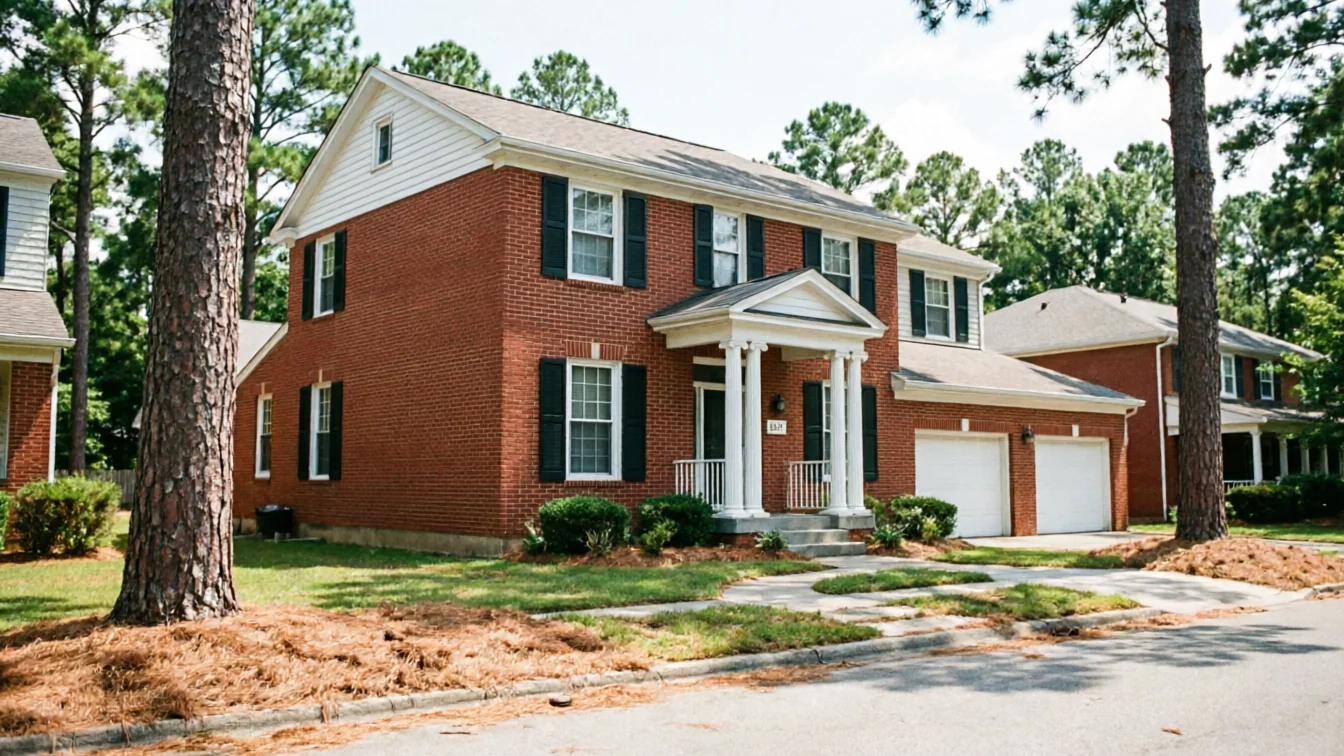
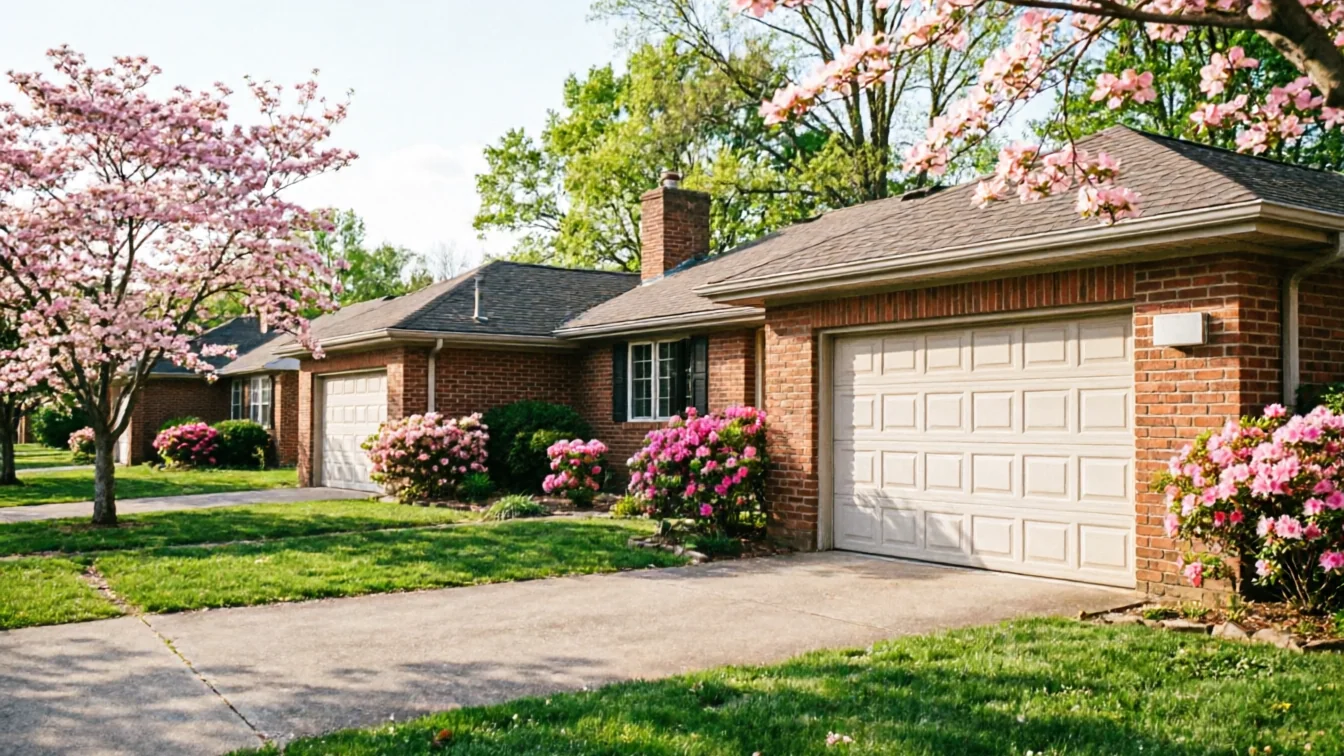
Green Hill's garage doors mostly date to the late 1970s, older than much of the Gallatin service area. We diagnose and replace torsion springs sized for that era's doors.
Local causes
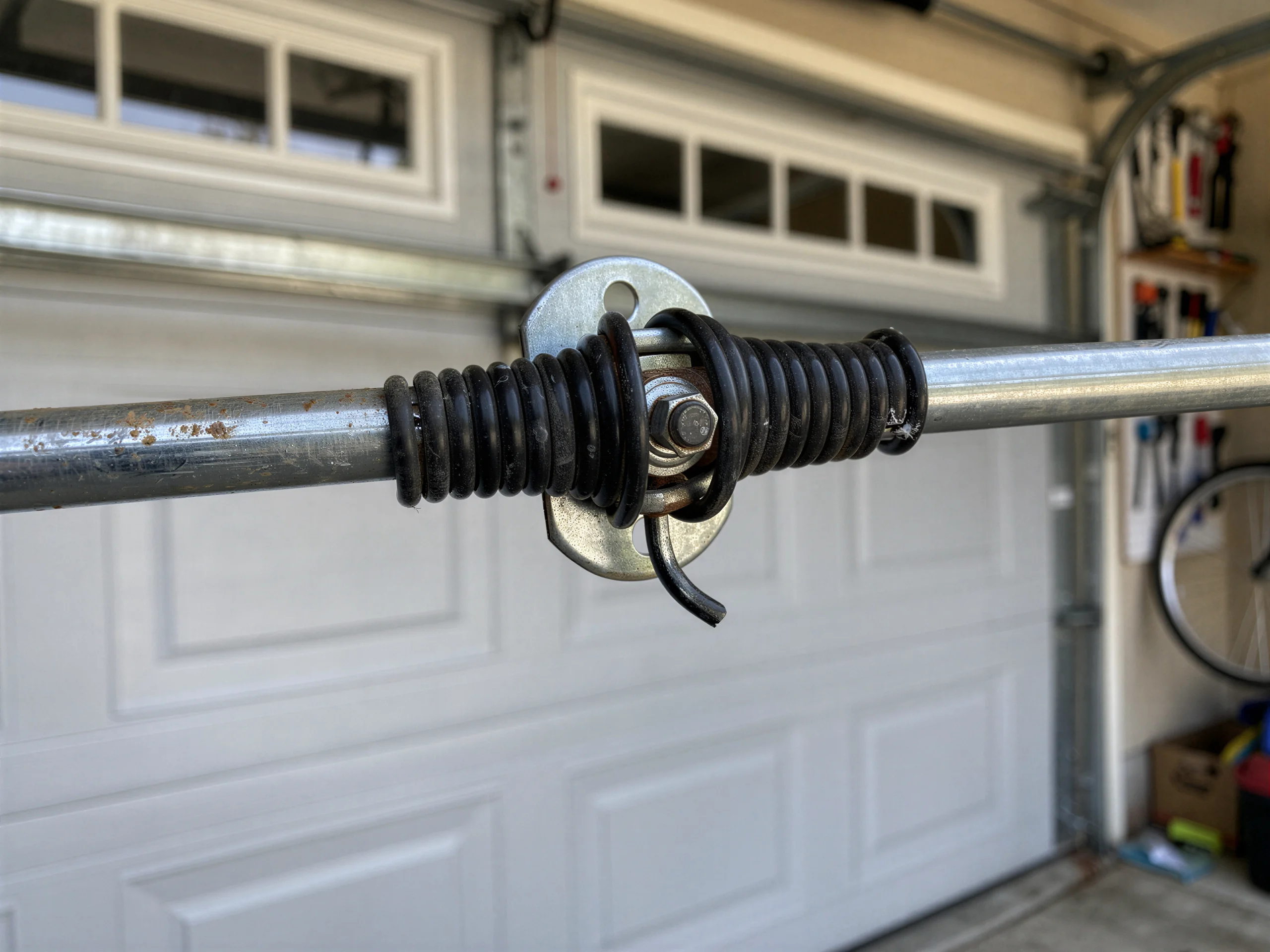
The spring failures we see out in Green Hill usually trace back to one thing: the door is older than the springs that were last put on it. A lot of these houses went up around 1978, well before the broader Gallatin service area's median of 1991, and that decade gap matters more than people think. Doors from that era tend to be heavier - solid wood or early steel with wood-core panels - and they were often built with a single torsion spring sized for a lighter door than what's actually hanging on the track today, especially if the door's been swapped out once already over the years.
By the time a spring from that period finally lets go, it's usually done somewhere between 10,000 and 15,000 cycles past what it should have handled. You hear it before you see it: a bang from the garage, then a door that won't lift past waist height, or one that slams down because the cable jumped the drum once the spring lost tension. On a heavier 1970s-era door, a cable failure alongside the spring isn't rare - the two wear together.
Watch-outs
Green Hill sits in a cold-moderate climate band, and steel springs lose a measurable amount of tension capacity when the metal contracts in a hard winter morning.
On a door that's already carrying more weight than its spring was rated for, that seasonal swing is often what pushes a weakened spring from 'noisy' to 'broken' in one cold snap rather than a slow fade.
The other complication is parts matching. A single-spring setup on an older, heavier door isn't something you want to just replace one-for-one with whatever's closest in size - that's usually why the last spring failed early in the first place.
We also run into end bearing plates and winding cones from that era that don't match current hardware dimensions, which means a straight swap sometimes turns into a small bracket or plate replacement too. None of this is unusual for houses built in this window, but it does mean the job on a 1970s door in Green Hill is rarely a five-minute part swap.
Our process
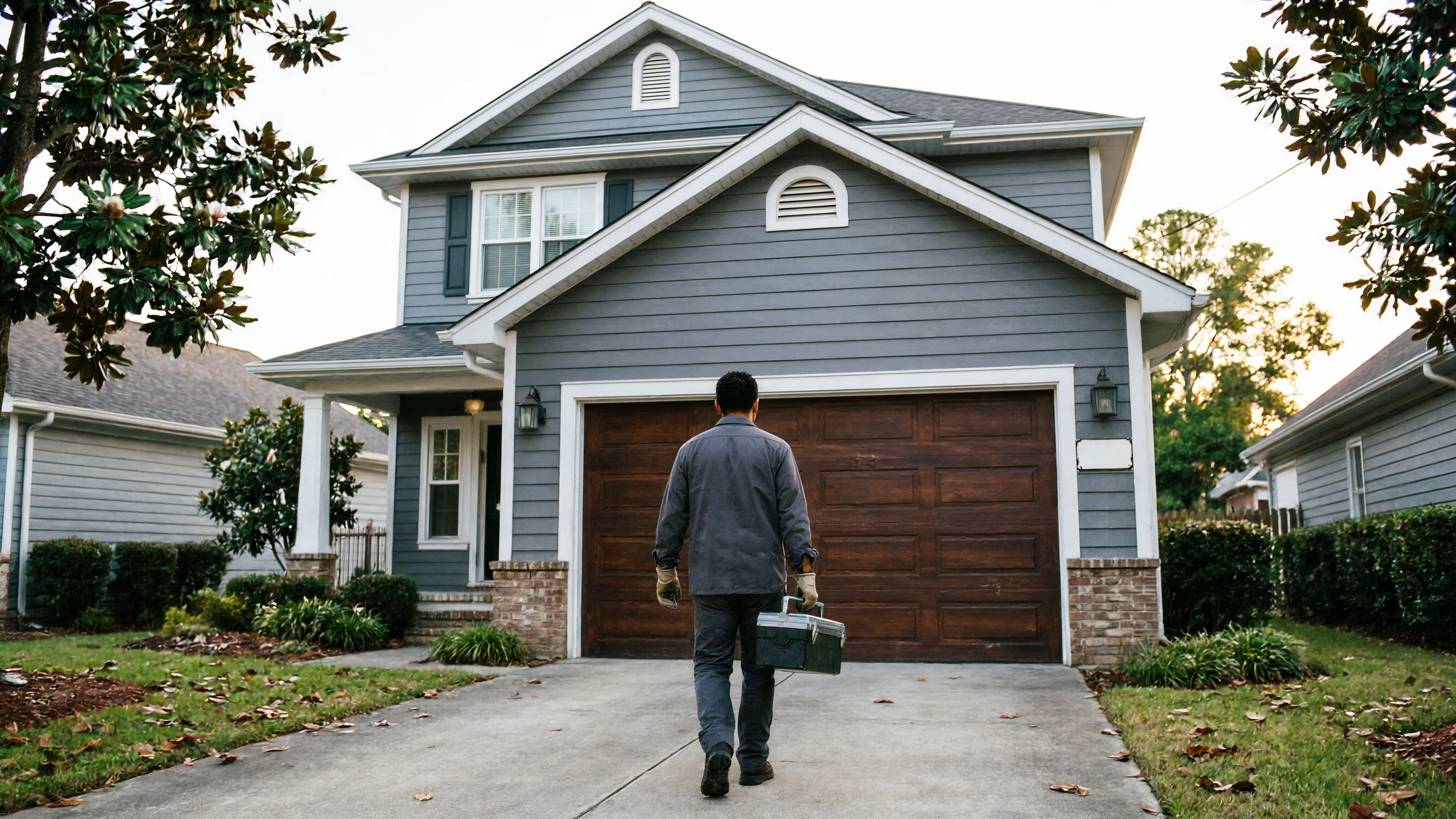
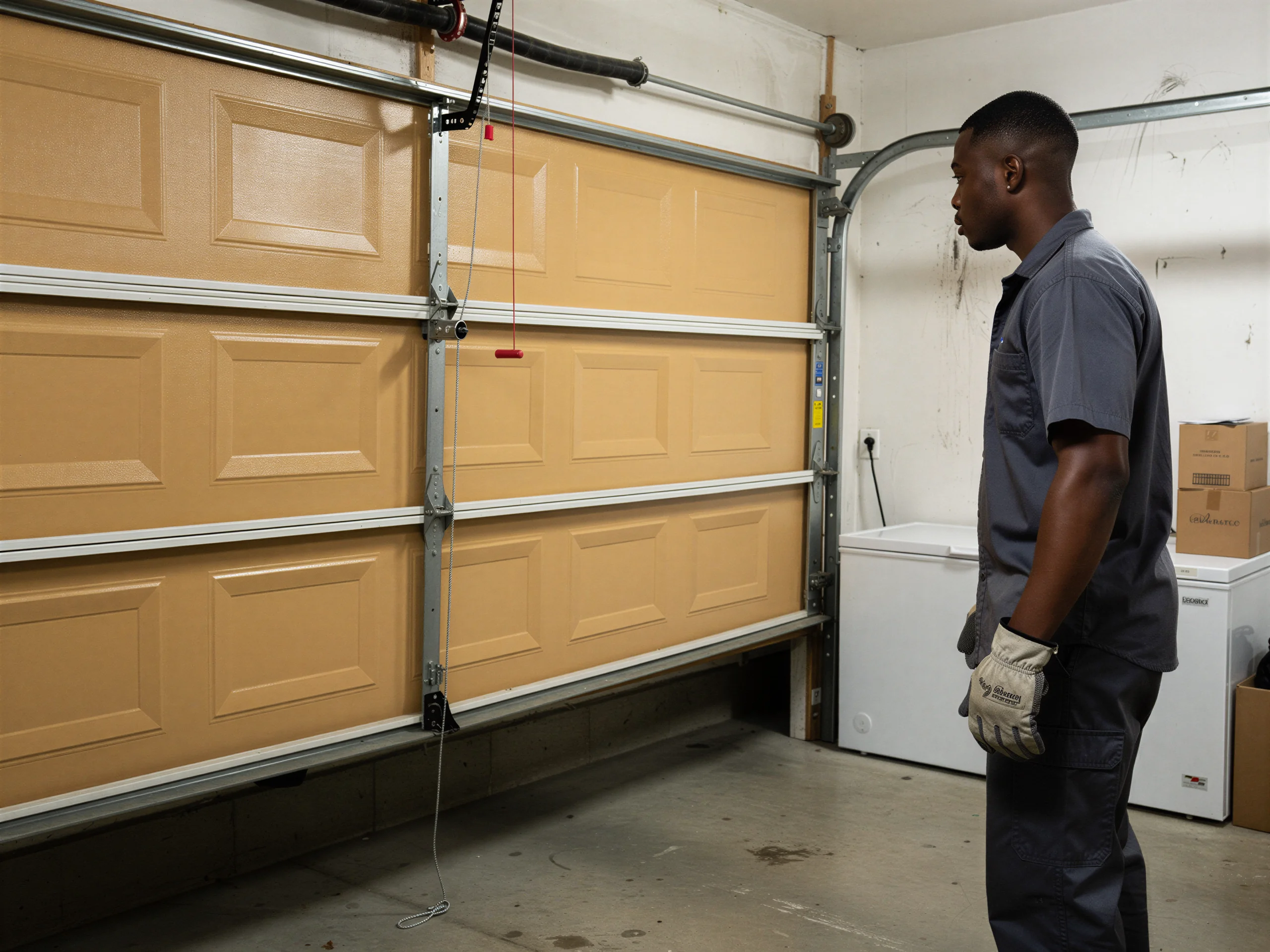
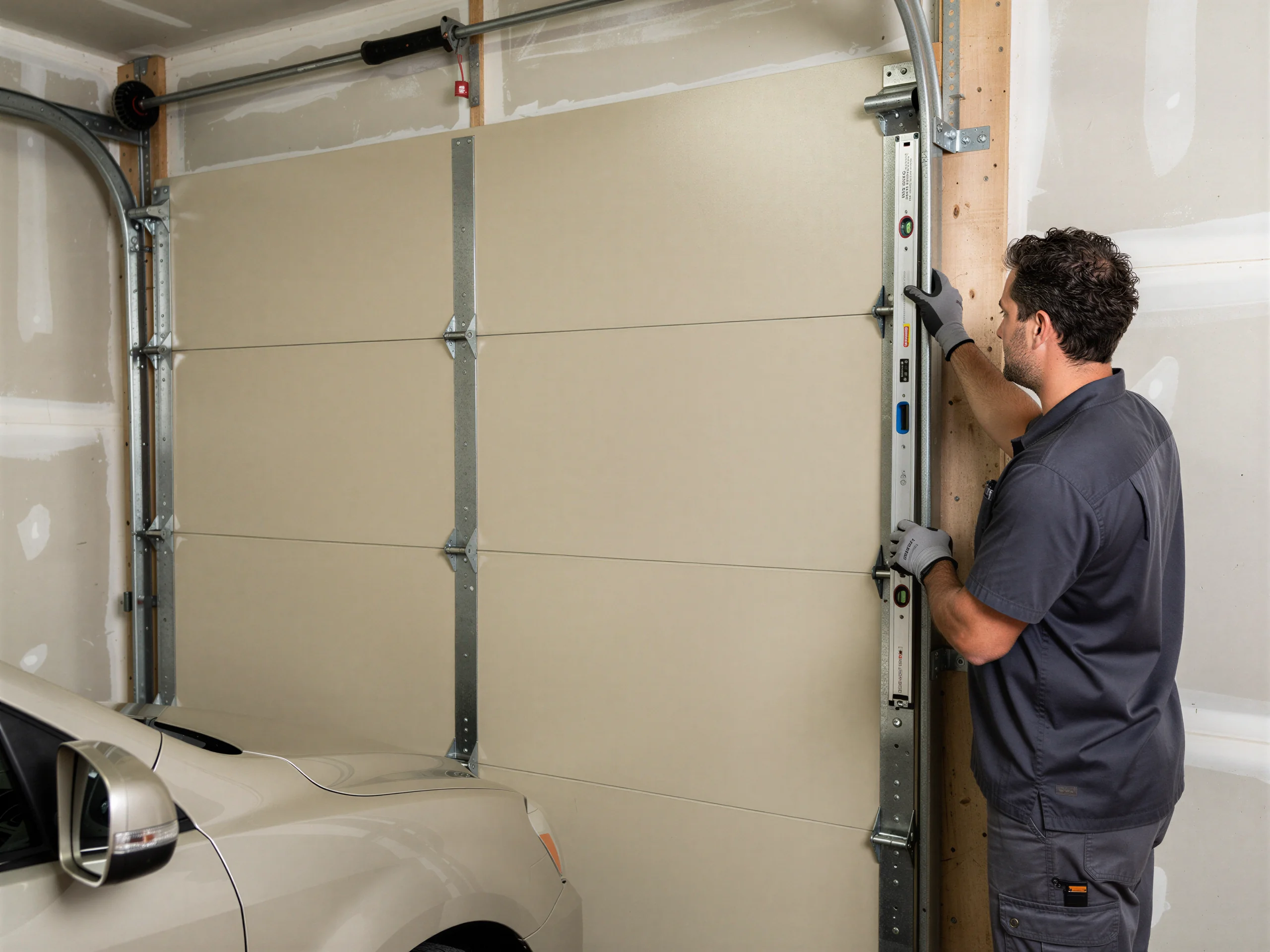
We measure the door's actual weight and cycle it by hand before touching the springs - that tells us whether the door needs one spring or two, and what wire gauge and wind length will carry it through winters here without the early fatigue the original setup showed. If the door's heavier than a single spring should carry long-term, we convert to a two-spring system rather than replacing like-for-like.
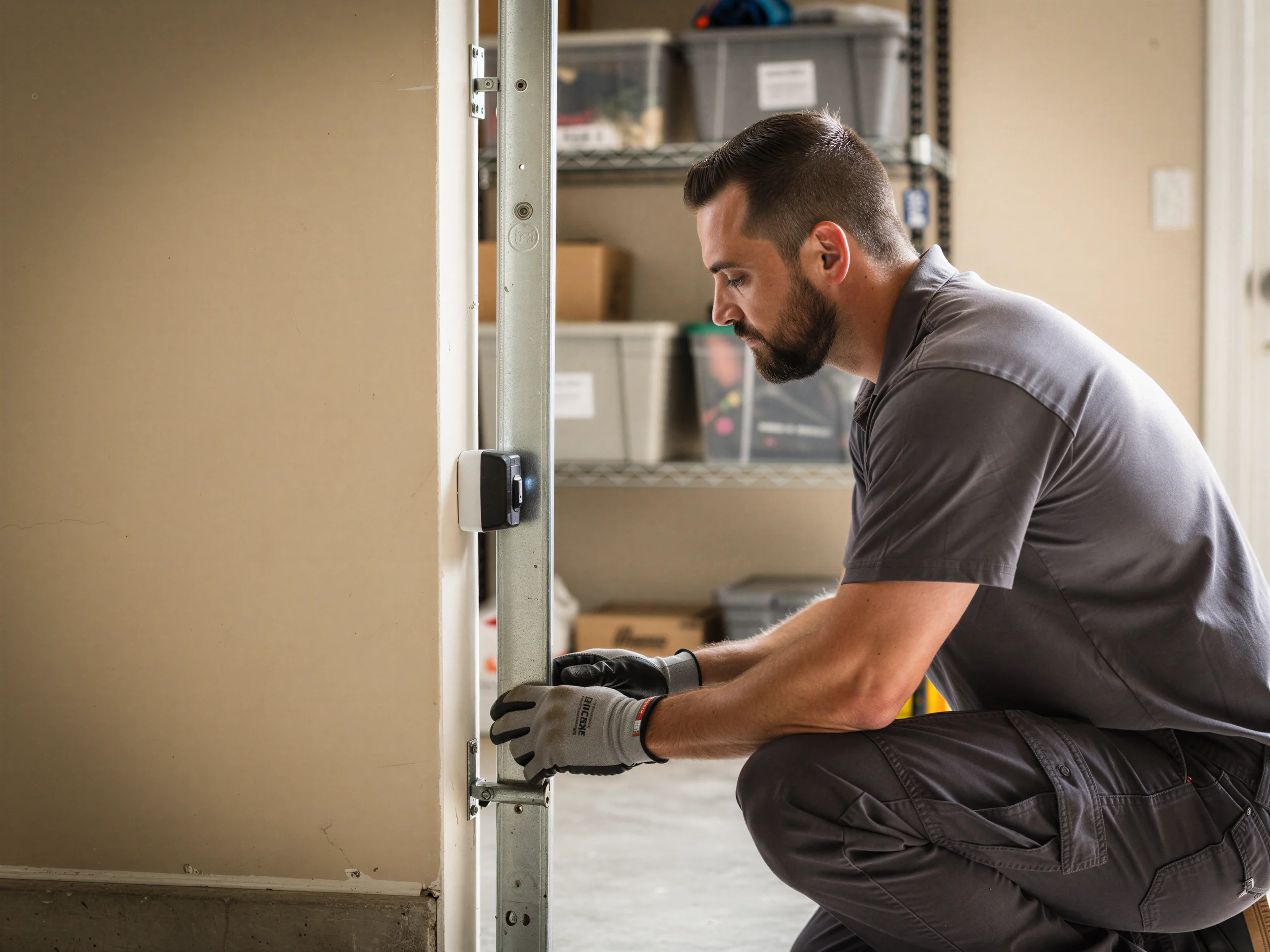
We travel the 12 miles out from Gallatin for Green Hill calls, so we bring what the diagnosis calls for rather than guessing from the road. If a cable, drum, or end bearing plate is worn from running alongside a tired spring, we replace that at the same time - swapping just the spring and leaving a frayed cable on a heavier door is how you get a second call within the year.
On the truck
Given how many Green Hill doors fall into that 1970s-through-90s build window, we stock torsion springs across the wire gauges and wind lengths that cover doors from single wood panels up to heavier insulated steel replacements homeowners have put in since. We carry standard end bearing plates and winding cones, plus the cable and drum sizes that commonly wear out alongside an old spring.
What we don't always have on the truck is a specialty spring for a custom or oversized wood door - those sometimes need to be ordered to the specific inside diameter and wind, which can add a day. If your door falls into that category, we'll tell you on-site rather than making you wait for a part that isn't coming. Green Hill's household income runs well above the wider service area's median, and that shows up in more owners opting to upgrade to a two-spring, heavier-duty setup instead of restoring the original single-spring design.
Questions
Torsion springs are rated for a cycle count, not a calendar date. A spring from that era, especially on a heavier original door, often reaches the end of its rated cycles right around now - and a cold snap is frequently what finishes off a spring that was already near the end.
Most of them, yes - standard torsion springs covering the wire gauges and wind lengths common to doors built from the late 1970s through the 1990s. Custom or oversized wood doors sometimes need a specific size ordered in, which we'll tell you at the time of diagnosis.
If the track is bent, the panels are sagging, or the door's been patched more than once, a new spring won't fix the underlying problem. We'll tell you honestly if the door itself is the issue rather than selling you a spring that won't solve it.
About 12 miles from Gallatin. We bring the parts the diagnosis calls for based on your door's age and weight rather than guessing, since a return trip for the wrong spring size costs you more time than getting it right the first visit.
Explore more
Ready when you are
Gallatin Garage Door Pros repairs and installs garage doors, springs and openers in Gallatin, TN and the surrounding area.